
CES 2026 Unveils a New Wave of Tech Innovation — Shaping the Future of AI, Hardware, and Consumer Devices
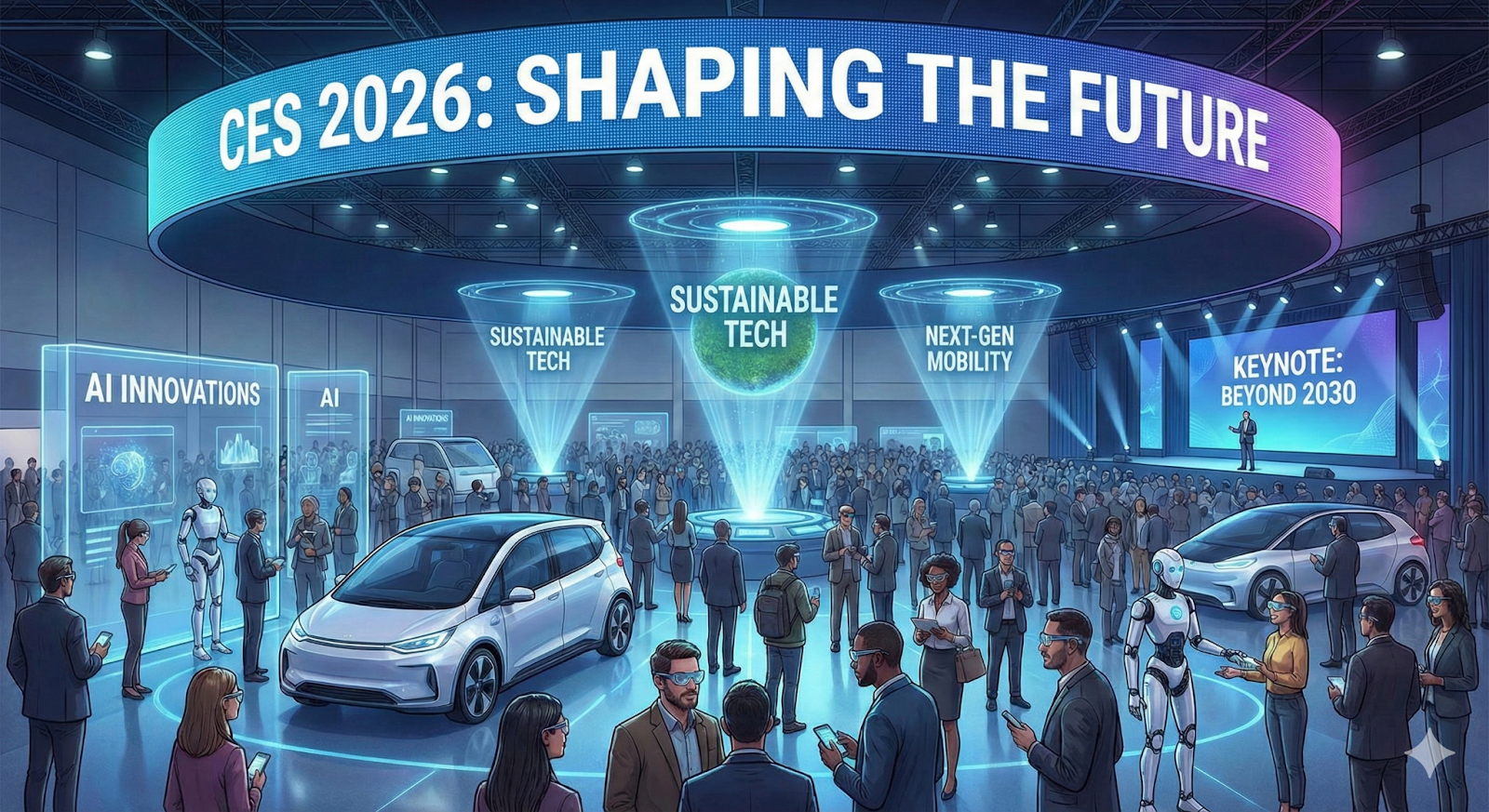
The 2026 Consumer Electronics Show (CES) in Las Vegas has once again proven to be a pivotal milestone for the technology industry. What started as a showcase for cutting‑edge gadgets has evolved into a global stage where major tech companies lay out their vision for the coming year — and in 2026, artificial intelligence, robotics, next‑generation hardware, and platform innovation took centre stage.
A key theme emerging from this year’s event is the idea that AI is no longer just a cloud‑based, software‑centric breakthrough — it’s becoming deeply integrated into physical devices, everyday consumer products, and even autonomous machines. Companies across sectors are introducing products that blend intelligence, real‑time responsiveness, and human‑centric design.
Among the most buzzed‑about innovations: AI‑enhanced consumer electronics that redefine user experience. From ultra‑smart TVs and wearable devices to AI‑driven appliances and personal robotics, CES is showcasing how machine learning and contextual computing are transforming once‑static hardware into adaptive tools capable of learning from user behaviour and environment.
Gaming and high‑performance computing also took huge strides. Graphics technology companies like Nvidia used this year’s CES as a platform to unveil major advancements in AI‑driven graphics rendering and performance enhancement. Nvidia’s DLSS 4.5, for example, builds on existing AI upscaling capabilities to deliver smoother visuals and higher frame rates — critical for next‑generation gaming experiences — while innovations in AI computational power promise to reshape future data-centre workloads.
In addition to raw performance improvements, CES highlighted a shift toward platform‑level thinking. Companies aren’t just pushing new chips; they’re showcasing ecosystems that tie hardware, AI models, cloud services, and connected devices together. Integration across these layers is what will unlock practical solutions in robotics, smart infrastructure, medical applications, and even autonomous driving.
Beyond the big names, CES has also become a proving ground for emerging tech trends. Exhibitors demonstrated experimental devices — such as modular action cameras, robotic assistants, and smart lifestyle gadgets — that hint at how AI could soon permeate everyday life. These innovations emphasise usability and affordability, which are increasingly key components of industry growth.
Another notable trend is the integration of AI voice assistants into broader ecosystems, as companies like Lenovo introduced AI agents aimed at personal productivity and device coherence across laptops, phones, and wearables — further blurring the line between personal computing and ambient intelligence. Investors
Finally, leading chipmakers highlighted long‑term infrastructure shifts. Firms such as AMD revealed ambitious platforms designed for “yotta‑scale” AI workloads — systems capable of handling enormous data volumes required for training trillion‑parameter models and powering future generative AI services.
In summary, CES 2026 marks a pivotal moment where AI, hardware, and real‑world systems converge. The show made clear that the next decade of innovation will be defined by how companies harness intelligent computing to build experiences that extend beyond screens — into homes, vehicles, workplaces, and cities.