Blockchain Beyond Cryptocurrency: IT Applications in Supply Chain and Security in 2026
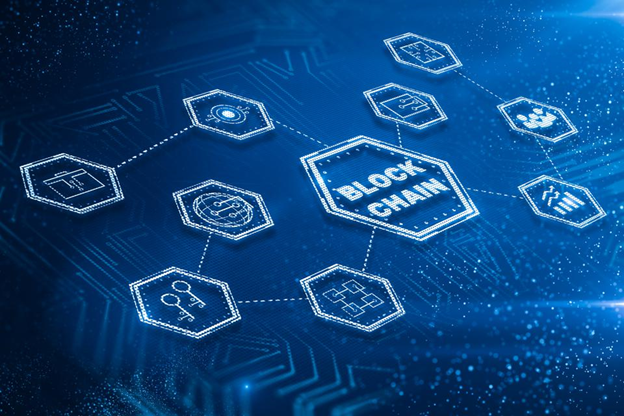
When most people hear “blockchain,” they immediately think of cryptocurrency. While digital currencies brought blockchain into the spotlight, its true potential extends far beyond financial transactions. In 2026, enterprises are leveraging blockchain technology to transform supply chain management, enhance cybersecurity, and enable trust in digital operations.
What Makes Blockchain Powerful for Enterprises?
Blockchain is a decentralized, immutable ledger that allows multiple parties to share data securely without a central authority. Key attributes that make blockchain appealing for enterprises include:
- Transparency: Every transaction is recorded and visible to authorized participants.
- Security: Cryptographic methods make tampering extremely difficult.
- Traceability: Assets and data can be tracked in real-time throughout their lifecycle.
- Decentralization: Removes reliance on a single point of control, reducing risk.
Blockchain in Supply Chain Management
Supply chains are complex networks with multiple stakeholders. Blockchain brings end-to-end visibility and trust into these operations:
- Provenance Tracking: Blockchain allows companies to trace products from origin to delivery, ensuring authenticity and quality.
- Fraud Prevention: Immutable records prevent counterfeiting and unauthorized changes to shipment or product data.
- Efficiency and Automation: Smart contracts automate processes such as payments, compliance checks, and inventory updates, reducing delays and errors.
- Sustainability and Compliance: Companies can prove compliance with environmental regulations and ethical sourcing standards by recording verifiable supply chain data on the blockchain.
Blockchain for IT Security
Beyond supply chains, blockchain strengthens enterprise cybersecurity:
- Identity and Access Management: Decentralized identity systems give individuals and organizations control over their data while preventing unauthorized access.
- Secure Data Sharing: Blockchain enables safe sharing of sensitive information across multiple parties without compromising integrity.
- Threat Mitigation: The decentralized nature of blockchain reduces single points of failure, making systems more resilient to attacks.
Emerging Trends in 2026
- Integration with AI and IoT: Blockchain combined with AI and IoT enables real-time verification of data from connected devices, improving decision-making and operational efficiency.
- Tokenization of Assets: Physical and digital assets can be represented as tokens on a blockchain, enabling secure transactions, fractional ownership, and liquidity.
- Enterprise Blockchain Networks: Companies are increasingly joining permissioned blockchain networks for industry-specific collaborations, such as healthcare data sharing and cross-border logistics.
Challenges to Consider
While blockchain offers enormous benefits, enterprises must navigate:
- Scalability Issues: Large-scale implementations can face performance bottlenecks if not properly designed.
- Regulatory Uncertainty: Legal frameworks around blockchain adoption vary by region and industry.
- Integration Complexity: Blockchain must seamlessly interact with legacy systems and enterprise software.
Blockchain is no longer just the backbone of cryptocurrency—it is a strategic tool for modern enterprises. From enhancing supply chain transparency and efficiency to securing digital assets and identities, blockchain is unlocking new levels of trust, automation, and security.
In 2026, organizations that explore blockchain beyond finance will not only streamline operations but also create resilient, transparent, and secure digital ecosystems—transforming the way businesses operate in the digital age.