
Australia’s Tax Office Launches In-App Call Verification to Combat Scams
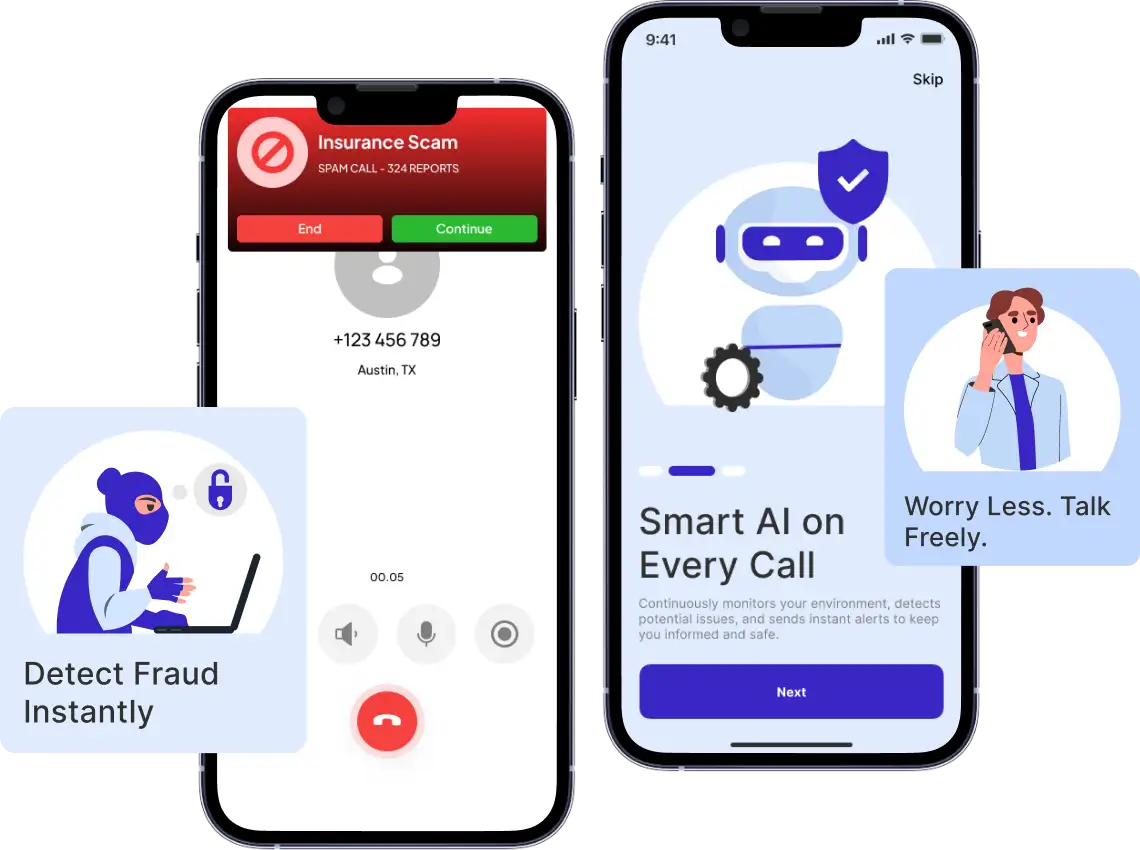
The Australian Taxation Office (ATO) has introduced a new in-app call verification feature aimed at protecting taxpayers from impersonation scams, as fraud attempts continue to rise sharply.
The feature, now available on both iOS and Android devices through the ATO app, allows users to confirm in real time whether a call claiming to be from the tax office is legitimate. The move comes after the agency recorded nearly 7,500 impersonation scam reports in July 2025 alone, with volumes expected to increase further during the 2025–26 tax filing season.
Real-Time Verification to Stop Fraudsters
The new “verify call” function is designed to give users immediate control when they receive suspicious calls.
When contacted by someone claiming to represent the ATO, users can open the app, log in, and activate the verification feature. If the call is genuine, a notification is sent to the registered device within 30 seconds. If no notification appears, the call should be treated as a scam and terminated.
This approach shifts the burden of verification away from taxpayers having to independently confirm a caller’s identity, instead providing a direct and secure confirmation channel.
Anita Challen, Assistant Commissioner at the ATO, said the feature is designed to counter increasingly sophisticated scam tactics.
She noted that fraudsters are becoming more convincing, making it harder for individuals to distinguish between legitimate and fraudulent communications. The new tool, she added, is intended to make impersonation significantly more difficult.
Part of a Broader Anti-Fraud Strategy
The call verification feature forms part of the ATO’s $187 million Counter Fraud Program (CFP), which focuses on strengthening digital security and reducing scam risks.
It complements existing protections within the app, including real-time alerts for account changes and account locking capabilities. Together, these measures aim to provide a more secure and responsive environment for taxpayers.
Rising Threat Landscape Across the Region
The introduction of the feature reflects a broader increase in cyber threats targeting tax systems.
Across the Tasman, Inland Revenue Department (IRD) in New Zealand reported a surge in automated login attacks earlier this year, with over 500,000 attempts to access taxpayer accounts through its myIR platform.
While two-step verification (2SV) successfully blocked most of these attempts, attackers were still able to access around 300 accounts that did not have the additional security layer enabled. The compromised accounts were subsequently secured, and authorities were notified.
Unlike the ATO, IRD currently relies on users manually verifying calls rather than offering in-app confirmation. Similar approaches are used by tax authorities such as the UK’s HM Revenue and Customs, Canada’s Canada Revenue Agency, and the US Internal Revenue Service.
Strengthening Digital Identity Security
The ATO also continues to promote its preferred sign-in method through the myID platform, which provides in-app identity verification.
Unlike traditional multi-factor authentication tied to a phone number, myID enables secure access even without mobile coverage or while overseas. The ATO has indicated that this method offers enhanced protection by directly verifying identity within the app environment.
A Shift Toward User-Controlled Security
The launch of in-app call verification signals a shift in how government agencies approach fraud prevention—placing more control directly in the hands of users.
As scam tactics become more advanced and widespread, tools that provide real-time verification and reduce reliance on manual checks are expected to play a critical role in safeguarding individuals.
With impersonation scams on the rise, the ATO’s latest move represents a proactive step toward strengthening trust and security in digital government services.