
Alphabet’s Ascent: Surpassing Apple, AI Leadership, and Strategic Momentum in 2026
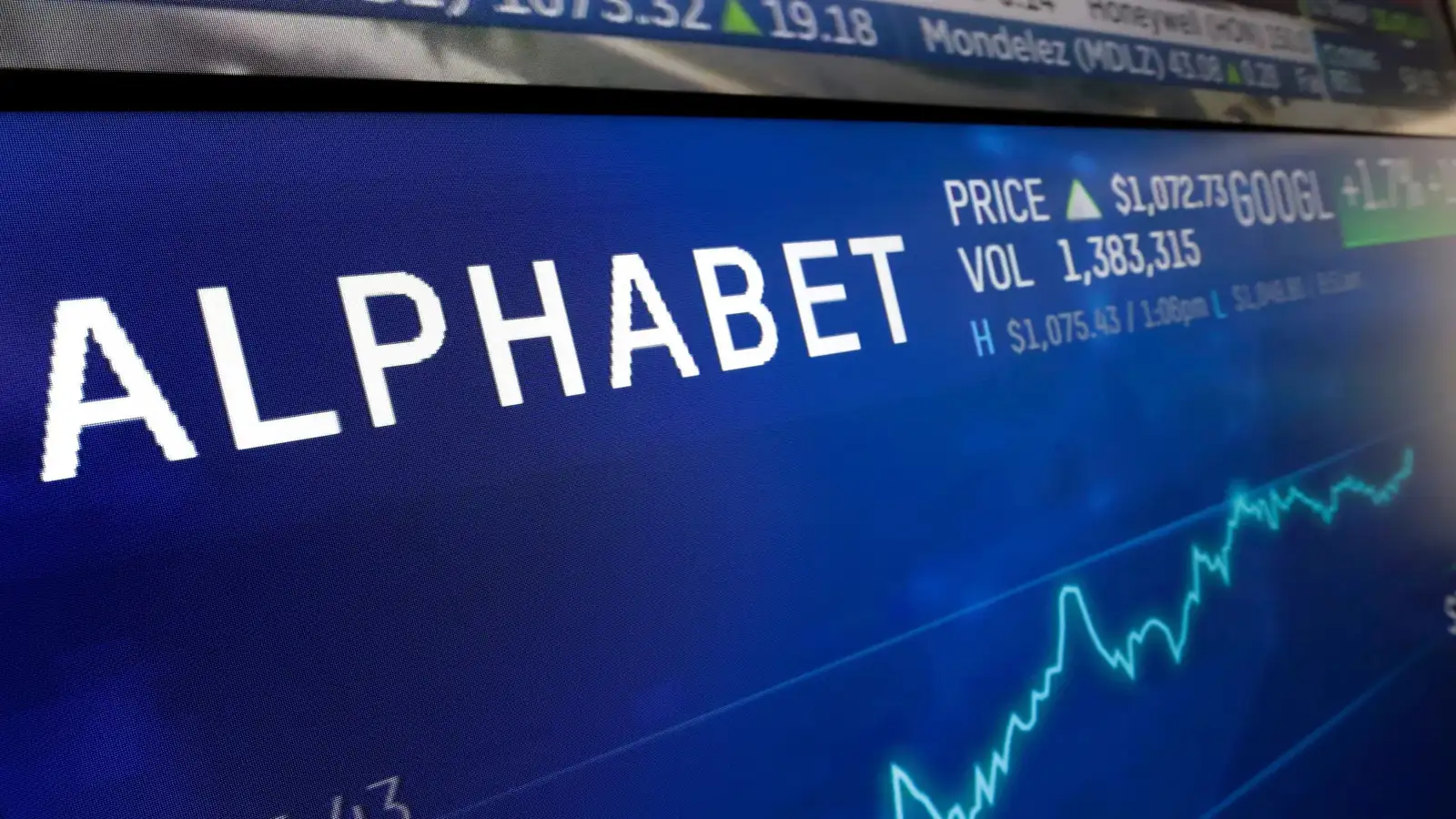
In early 2026, Alphabet — Google’s parent company — has overtaken Apple to become the world’s second‑largest company by market capitalization, an emblematic milestone reflecting shifting investor preferences toward firms deeply embedded in artificial intelligence and cloud services. Alphabet’s market value climbed to approximately $3.88 – $3.89 trillion, edging out Apple’s roughly $3.84 trillion valuation — a dynamic shift that hasn’t occurred since 2019 and highlights how rapidly AI prowess has reshaped the tech hierarchy.
This change in ranking is not simply a matter of stock price mechanics; it’s rooted in Alphabet’s strategic positioning around AI innovation, custom AI chips, and diversified product streams. Investors have rewarded Alphabet’s proactive approach to developing and deploying next‑generation AI infrastructure. Throughout 2025, Alphabet’s shares surged by roughly 65%, driven largely by optimism about its AI capabilities — including its Gemini AI model suite — and strong performance in advertising and Google Cloud services.
Central to Alphabet’s recent momentum is its balanced focus on AI research and scalable deployment. The Gemini models have been integrated across Google’s search, cloud, and enterprise platforms, creating tangible revenue pathways while reinforcing the company’s differentiation from competitors. Additionally, the launch of custom hardware like the Ironwood Tensor Processing Unit (TPU) shows Alphabet’s intent to build end‑to‑end AI systems rather than rely solely on third‑party silicon. These moves have enhanced Google Cloud’s competitiveness and reduced dependency on external chip vendors for critical workloads.
Alphabet’s strength is further anchored in diversification across various digital ecosystems — search, YouTube, Android, cloud, AI services, and autonomous systems like Waymo. This multi‑pronged portfolio allows Alphabet not only to compete in traditional advertising markets but also to capitalize on future trends in robotics, autonomous transportation, and enterprise AI adoption.
The valuation milestone also signals a broader industry truth: AI leadership now translates into corporate scale. Companies with robust AI platforms and clear monetization strategies are commanding a premium in financial markets. Alphabet’s ascent is emblematic of this shift, as it leans into a future where generative models, customizable cloud services, and intelligent infrastructure become central to global digital transformation.
Going forward, Alphabet’s challenge will be to maintain this leadership position while navigating regulatory scrutiny, competition from cloud and AI rivals, and continuous innovation cycles that demand substantial investment. Nonetheless, the overtaking of Apple in market cap underscores how swiftly the tech landscape can realign when innovation priorities shift — and how Alphabet’s AI‑first strategy has positioned it at the forefront of this new era.