
Amazon in 2026: Cloud Dominance, AI Innovation, and Retail Evolution
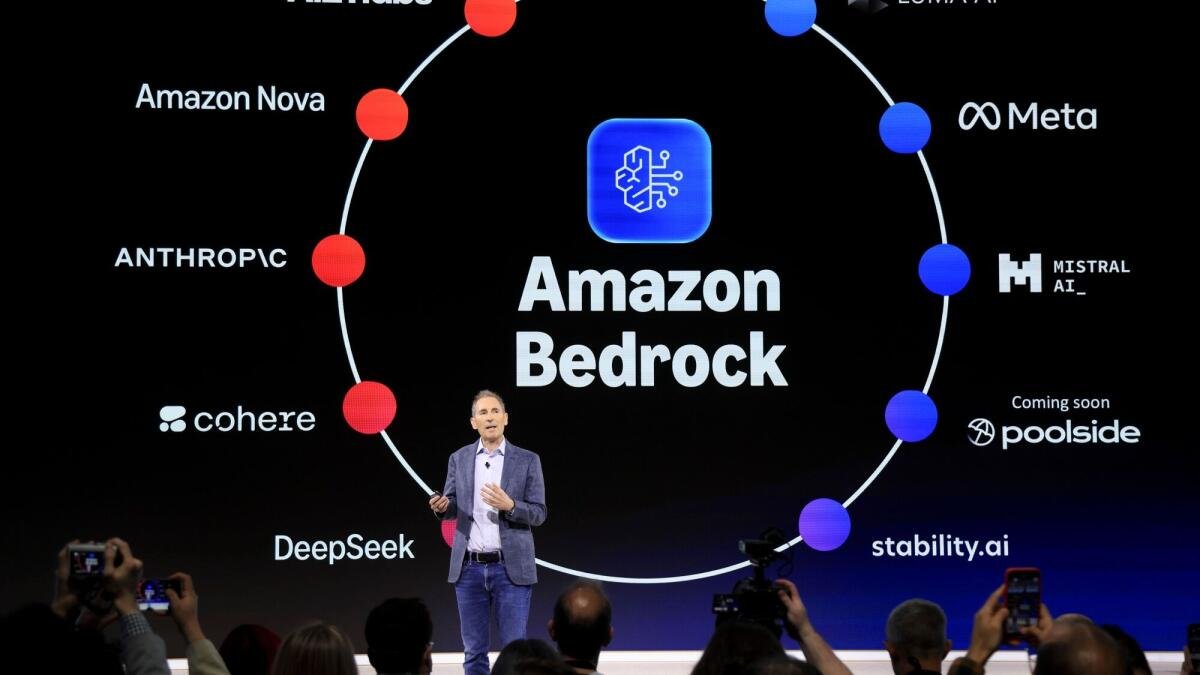
Amazon continues to demonstrate why it remains one of the most influential technology companies globally. While the company is widely known for its retail empire, its Amazon Web Services (AWS) division has become the core engine of growth, driving innovation in AI, cloud infrastructure, and enterprise solutions. AWS now powers critical workloads for businesses, governments, and startups, offering generative AI capabilities, high-performance computing, and scalable cloud storage at unprecedented scale.
Amazon’s AI strategy is particularly notable for embedding intelligence across both its cloud and consumer ecosystems. In AWS, the company offers pre-trained AI models, automated data pipelines, and tools for developers to deploy custom AI applications efficiently. Meanwhile, in retail and logistics, AI is driving predictive inventory management, autonomous warehouse robotics, and smart delivery routing, ensuring faster fulfillment and operational efficiency.
The company’s Q4 2025 results highlight the success of this dual strategy. AWS revenue continued to grow robustly, with enterprise and startup adoption of AI-powered cloud services surging, while Amazon’s retail business, including Prime subscriptions, maintained steady engagement despite global macroeconomic headwinds. Analysts highlight Amazon’s ability to integrate AI into both B2B and B2C offerings as a key differentiator in the highly competitive tech landscape.
Amazon has also expanded its focus on generative AI in customer experience. New AI chatbots and recommendation engines enhance shopping experiences across devices, including Echo smart speakers and the Amazon app. These AI-driven features personalize promotions, suggest products, and optimize delivery estimates, creating a seamless ecosystem that binds users to Amazon’s platform.
In addition, the company is advancing its logistics and robotics infrastructure, experimenting with autonomous drones, AI-driven warehouses, and sustainable packaging solutions. This reflects a broader goal: combining AI, cloud, and logistics to create a global supply chain that is faster, smarter, and more environmentally friendly.
Looking forward, Amazon faces challenges from rising competition in cloud computing, regulatory scrutiny on retail and AI practices, and pressures to maintain profitability in hardware ventures like Echo and Ring devices. However, the company’s integrated AI-cloud-retail strategy, coupled with its unmatched logistics network, positions it to remain a dominant player in both enterprise and consumer technology markets.
In short, 2026 is shaping up to be a year of consolidation and acceleration for Amazon — solidifying AWS as the backbone of AI-powered innovation while continuing to redefine the retail and logistics experience with technology-driven efficiency and personalized consumer engagement.