Ambient Computing: The Future of Invisible Technology
Technology has evolved from large desktop computers to smartphones, smartwatches, smart homes, and now toward a new concept called Ambient Computing. Ambient computing refers to technology that works in the background, understands the environment, and provides services automatically without requiring direct human interaction. In simple words, ambient computing means technology that becomes invisible but still helps you in your daily life.
In the past, we had to open a computer to use technology. Then smartphones allowed us to use technology anywhere. Now, ambient computing is the next step where technology will be present everywhere — in our homes, offices, cars, streets, and even wearable devices — but we will not have to actively use it. The technology will understand our needs and respond automatically.
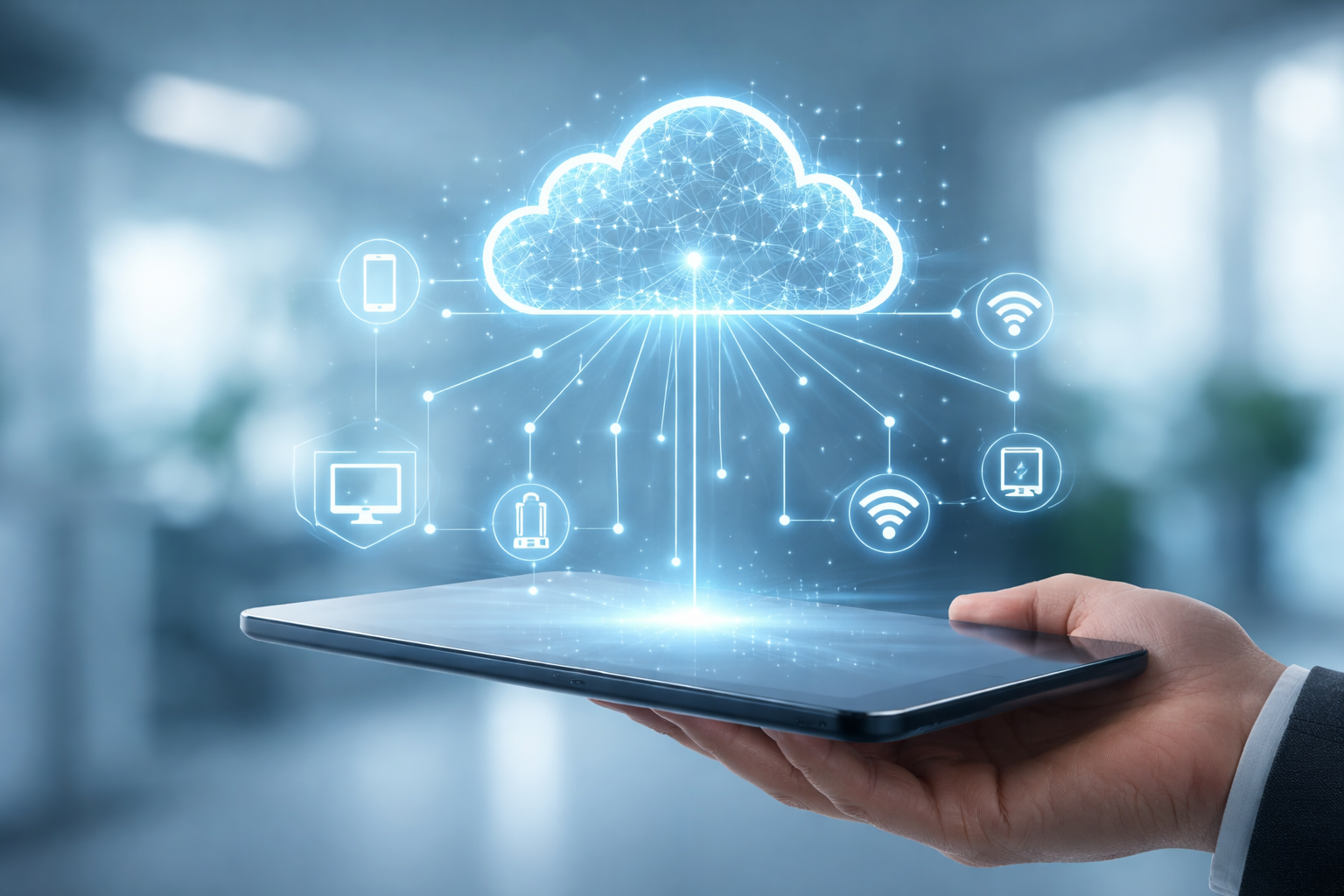
Ambient computing works using a combination of technologies such as the Internet of Things (IoT), Artificial Intelligence (AI), sensors, cloud computing, edge computing, and wireless networks. These technologies work together to collect data, understand user behavior, and provide intelligent services automatically.
For example, in a smart home with ambient computing, the lights turn on automatically when you enter a room, the air conditioner adjusts temperature based on your preference, your smart speaker reminds you about meetings, and your refrigerator can notify you when groceries are running low. You do not need to manually control everything because the system understands your behavior and automates tasks.
One of the most important features of ambient computing is context awareness. Context awareness means the system understands the situation, location, time, user behavior, and environment. For example, your smartphone automatically switches to silent mode when you enter a meeting room, your car navigation system suggests the best route based on traffic, and your fitness band tracks your health and suggests exercise routines. All these are examples of ambient computing.
Ambient computing is also becoming important in offices and workplaces. Smart offices use sensors and AI to manage lighting, room temperature, meeting room bookings, and energy usage. This improves employee comfort and reduces energy consumption. In retail stores, ambient computing can track customer movement and provide personalized offers. In hospitals, ambient computing can monitor patient health using wearable devices and alert doctors in case of emergency.
Smart cities are also using ambient computing. Smart traffic systems, smart street lights, smart surveillance, and smart public transport systems work automatically using sensors and AI. These systems collect real-time data and make decisions automatically to improve city operations.
Ambient computing is called invisible technology because users do not need to interact with devices directly. The system works in the background using sensors and AI. Voice assistants, smart devices, wearable technology, and connected devices are all part of ambient computing ecosystems.
However, ambient computing also creates challenges, especially related to data privacy and security. Since ambient computing systems collect a large amount of personal data such as location, voice, behavior, and health data, it is very important to protect this data. There are also concerns about surveillance and data misuse.
Another challenge is technology infrastructure. Ambient computing requires fast internet, IoT devices, cloud computing, and AI systems, which can be expensive to implement. There is also a need for standardization so that different devices can communicate with each other properly.
Despite these challenges, ambient computing is considered the future of technology because it makes technology more natural and user-friendly. Instead of humans learning how to use technology, technology will learn how to serve humans.
In the future, ambient computing will be used in smart homes, smart offices, smart cities, healthcare, transportation, education, and retail industries. Technologies such as 5G, AI, IoT, and edge computing will make ambient computing more powerful and more common.