AMD in 2026: Yotta-Scale AI Platforms and Next-Generation GPU Leadership
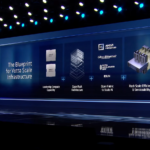
AMD (Advanced Micro Devices) is emerging as one of the most innovative forces in high-performance computing and AI infrastructure. The company used CES 2026 as a platform to unveil its ambitious yotta-scale AI platform, designed to handle massive AI model training workloads while competing directly with Nvidia and Intel. This initiative reflects AMD’s long-term strategy to dominate the AI accelerator market with scalable, energy-efficient hardware for both enterprise and cloud clients.
AMD’s new platform combines next-generation GPU architectures, AI-optimized CPUs, and high-speed interconnects, offering unprecedented throughput for massive AI datasets. Analysts suggest that these innovations will position AMD as a credible alternative to Nvidia in both generative AI training and inference workloads, particularly for organizations seeking cost-efficient high-performance solutions.
On the consumer side, AMD continues to innovate with its Ryzen and Radeon lines, emphasizing performance for gaming, content creation, and hybrid workstation tasks. CES 2026 showcased dual-screen laptops, high-refresh-rate GPUs, and collaboration projects with partners like Kojima Productions, demonstrating AMD’s ability to bridge the consumer and professional markets.
A notable highlight is AMD’s commitment to energy-efficient design, addressing the growing demand for sustainability in AI and data center operations. With rising concerns over the environmental footprint of AI training, AMD’s focus on performance-per-watt and modular scalability could give it an edge in securing both enterprise contracts and government partnerships.
Strategically, AMD is leveraging open software ecosystems to complement its hardware. Developers can now deploy AMD GPUs in AI frameworks such as PyTorch and TensorFlow seamlessly, ensuring broader adoption of AMD hardware in both research and production environments. This approach reflects a growing industry understanding that hardware success is inseparable from software accessibility and ecosystem support.
In summary, AMD’s trajectory in 2026 emphasizes a dual-pronged strategy: dominate high-performance computing for AI and maintain strong market presence in gaming and consumer computing. With its yotta-scale AI platforms, next-gen GPU roadmap, and energy-efficient innovations, AMD is poised to be a key driver of AI adoption across both enterprise and consumer segments, challenging competitors on multiple fronts.