Anthropic Engages Trump Administration on New AI Model Despite Pentagon Dispute
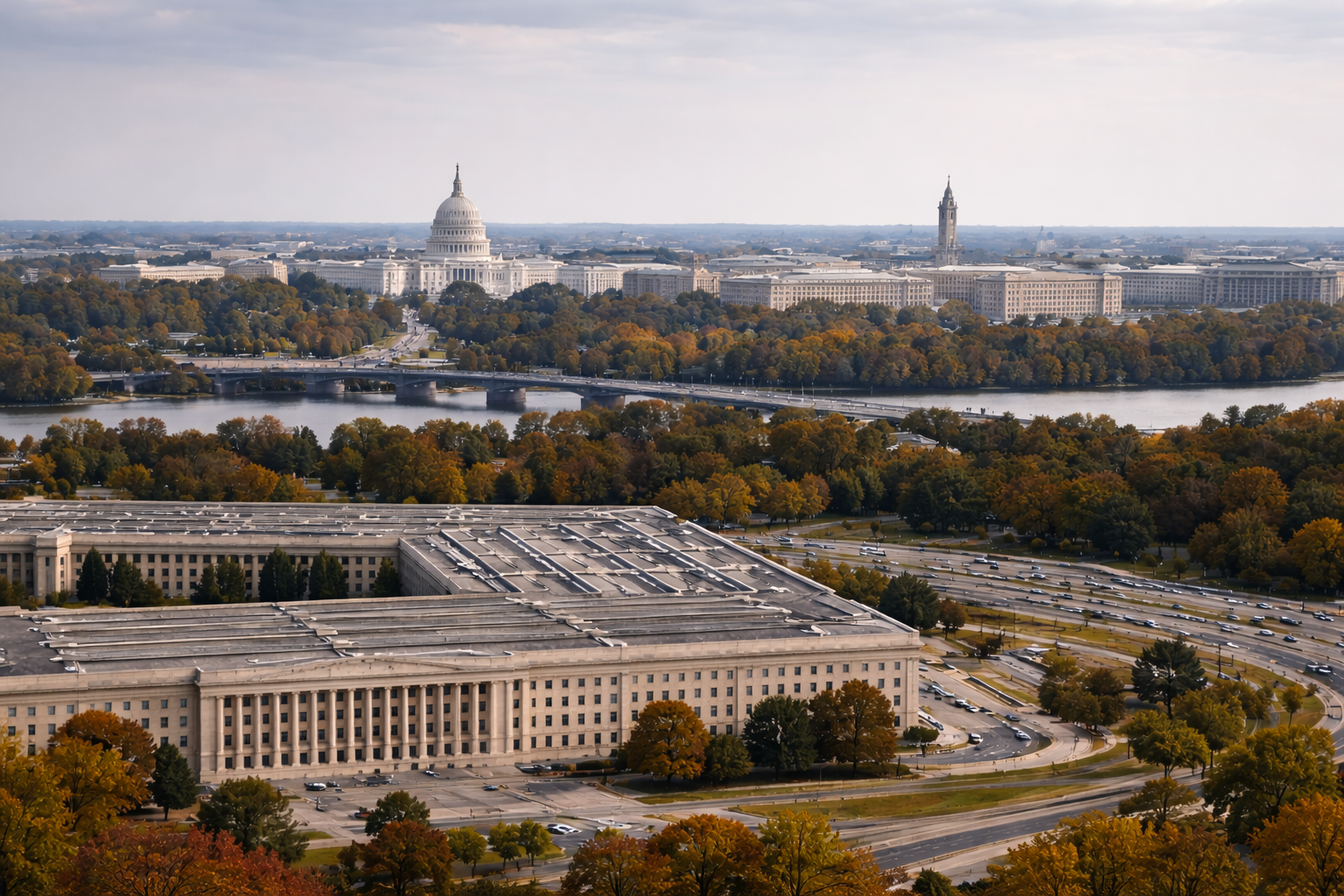
Anthropic is in active discussions with the Trump administration regarding its latest frontier AI model, even as tensions persist with the U.S. Department of Defense following a recent contract dispute.
Speaking at a policy event in Washington, D.C., Anthropic co-founder Jack Clark confirmed that the company is engaging government officials about its newly announced model, Mythos. The conversations come despite the Pentagon recently classifying Anthropic as a supply-chain risk, effectively restricting its use across defense systems and contractors.
Ongoing Dialogue Amid Contract Tensions
The dispute between Anthropic and the Pentagon centers on disagreements over safeguards governing military use of AI technologies. As a result, the Department of Defense moved to block the company’s tools, citing concerns tied to national security and compliance.
However, Clark emphasized that the disagreement is limited in scope and should not overshadow broader collaboration opportunities.
Anthropic maintains that government stakeholders need visibility into the capabilities of advanced AI systems, particularly as they become more powerful and strategically relevant. While specific details of the discussions remain undisclosed, the company indicated it intends to continue engaging with federal agencies on both current and future models.
Introducing “Mythos”
The model at the center of these discussions, Mythos, was introduced earlier this month as Anthropic’s most advanced system to date for coding and agentic tasks. Designed to operate with a higher degree of autonomy, the model reflects the company’s push into more capable and self-directed AI systems.
Experts note that Mythos’ advanced coding capabilities could have significant implications for cybersecurity. The system’s ability to identify vulnerabilities—and potentially exploit them—raises both opportunities for defense and concerns around misuse.
Legal and Policy Uncertainty
The broader regulatory landscape remains unsettled. A federal appeals court recently declined to block the Pentagon’s decision to blacklist Anthropic, marking a temporary win for the administration. This follows conflicting rulings in separate legal challenges, highlighting ongoing uncertainty around how AI providers will be governed in national security contexts.
Strategic Implications
Anthropic’s continued engagement with the government underscores the growing importance of collaboration between AI developers and policymakers. As frontier models become more capable, their potential impact on security, infrastructure, and global competition is intensifying.
Despite current tensions, the company appears committed to maintaining dialogue, positioning its technology as both a commercial innovation and a matter of national strategic interest.
The situation reflects a broader dynamic in the AI industry: even amid regulatory friction, governments and technology firms remain closely intertwined as they navigate the implications of increasingly powerful AI systems.