
Apple Introduces New iMac and iPad Pro, Powered by M1 Chip
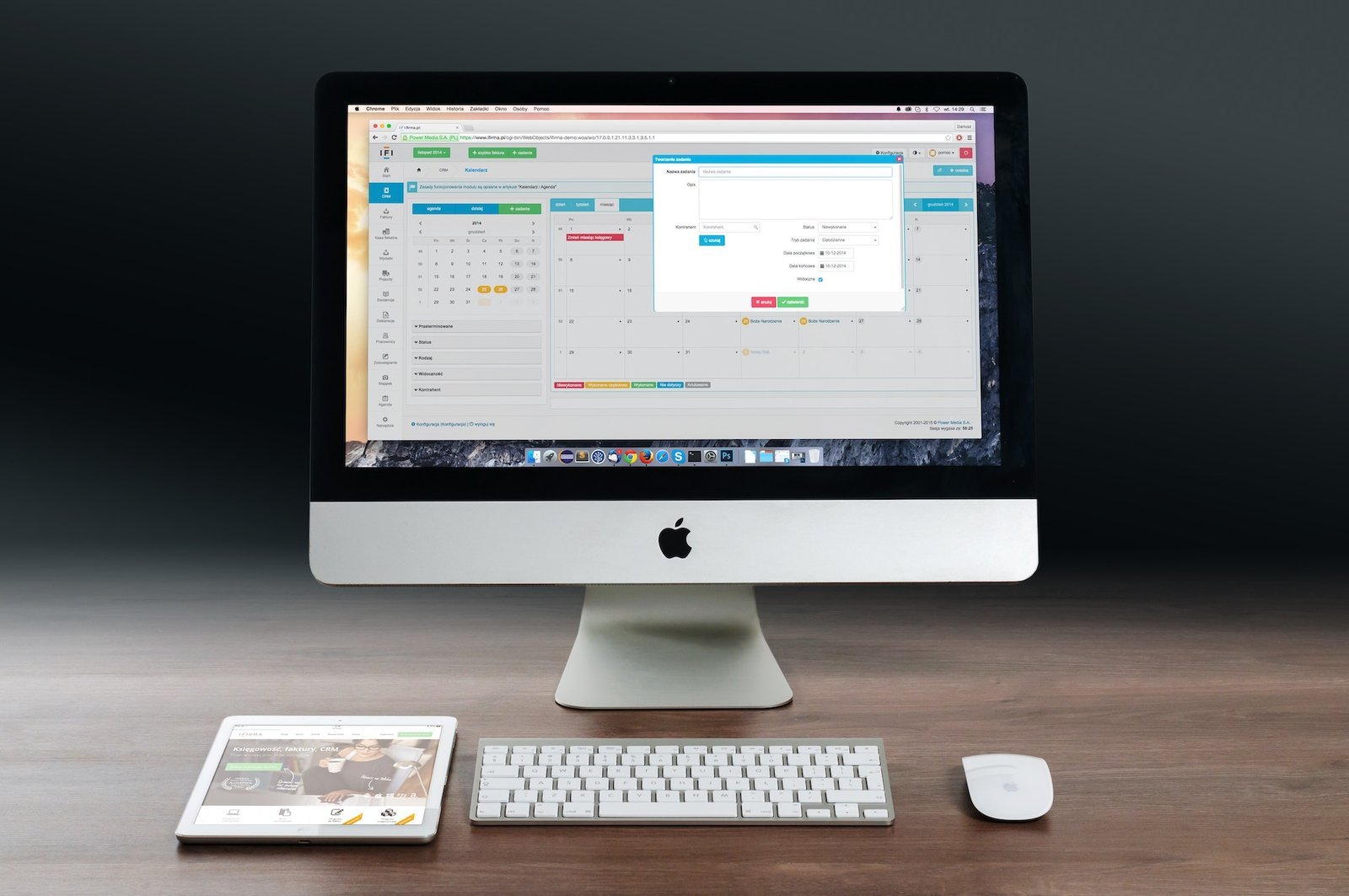
Apple has recently unveiled its latest iMac and iPad Pro models, featuring the revolutionary M1 chip. With this significant hardware upgrade, Apple continues to push the boundaries of performance and efficiency in its desktop and tablet offerings. The integration of the M1 chip in these devices brings a host of benefits, including improved processing power, enhanced graphics performance, and increased energy efficiency, further solidifying Apple’s position as a leader in the technology industry.
iMac: A Desktop Powerhouse:
The new iMac stands out with its sleek design and vibrant display options. The M1 chip, previously introduced in Apple’s MacBook lineup, now powers the iMac as well. This brings a substantial performance boost, allowing for seamless multitasking, faster application launches, and smooth graphics rendering. Users can expect enhanced productivity and a more immersive computing experience, thanks to the M1 chip’s advanced capabilities.
iPad Pro: Unleashing New Possibilities:
Apple’s flagship tablet, the iPad Pro, also receives a major upgrade with the integration of the M1 chip. This powerful chip unlocks a new level of performance for the iPad Pro, delivering desktop-class processing power and graphics capabilities. The M1 chip enables faster photo and video editing, complex rendering, and smooth multitasking, making the iPad Pro an even more capable device for professionals and creatives on the go.
Benefits of the M1 Chip:
The M1 chip, built on Apple’s ARM-based architecture, offers several advantages over traditional processors. Its unified memory architecture and high-performance, low-power cores contribute to improved efficiency, resulting in longer battery life for both the iMac and iPad Pro. The M1 chip’s 8-core GPU delivers remarkable graphics performance, enabling smoother animations, more realistic visuals, and enhanced gaming experiences.
macOS and iPadOS Integration:
With the M1 chip powering both the iMac and iPad Pro, Apple reinforces its commitment to a seamless user experience across its ecosystem. macOS and iPadOS have been optimized to take full advantage of the M1’s capabilities, offering enhanced app performance, improved battery efficiency, and advanced features tailored to each platform. This integration ensures a consistent and intuitive experience for users, whether they are working on a desktop or a tablet.
Implications for Future Apple Devices:
The introduction of the M1 chip in the iMac and iPad Pro signifies Apple’s transition towards its own custom-designed silicon for its entire product lineup. This shift allows Apple to have tighter control over hardware and software integration, resulting in optimized performance and improved user experiences. It also sets the stage for future innovations, as Apple continues to push the boundaries of what its devices can achieve.
Apple’s introduction of the new iMac and iPad Pro, both powered by the M1 chip, showcases the company’s commitment to delivering cutting-edge technology and pushing the boundaries of performance and efficiency. The M1 chip brings significant improvements in processing power, graphics performance, and energy efficiency, enhancing the user experience across both the iMac and iPad Pro. With this move, Apple sets a new standard for desktop and tablet computing, further solidifying its position as a trailblazer in the technology industry.