
akash
AI-Native Applications and Agentic Workflows
Artificial intelligence is no longer an add-on to existing software—it is becoming the foundation on which applications are built. As organizations move beyond simple automation and predictive analytics, a new class of systems is emerging: AI-native applications powered by agentic workflows. These systems don’t just assist users; they act on their behalf. They reason, plan,…
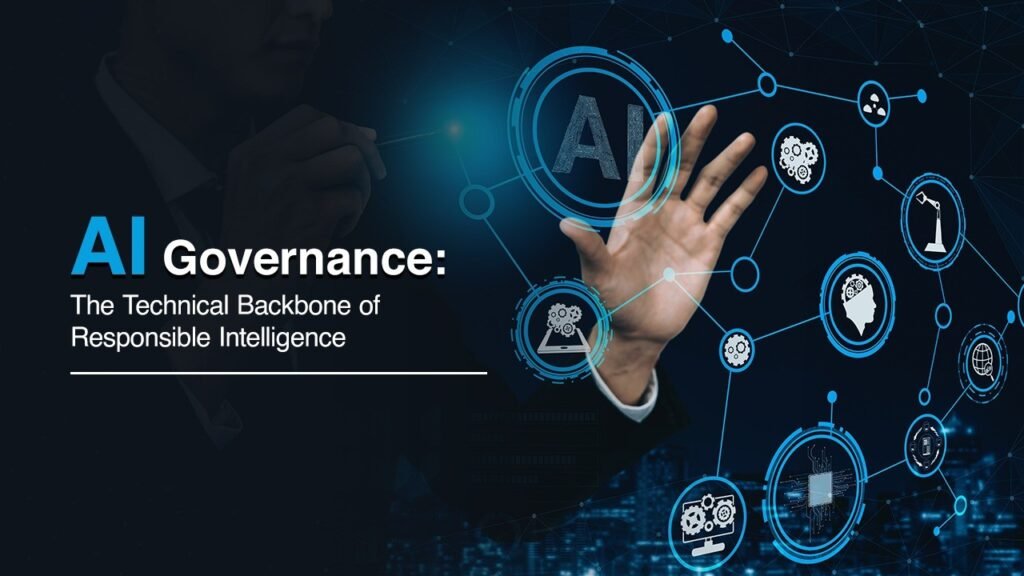
AI Security & Governance: The New IT Backbone
Artificial Intelligence is no longer an experimental layer in enterprise IT—it has become core infrastructure. From automating customer interactions and analyzing massive datasets to powering cybersecurity defenses and decision-making systems, AI is now embedded across the organization. But as adoption accelerates, a critical question follows: how do enterprises secure, govern, and trust AI at scale?…
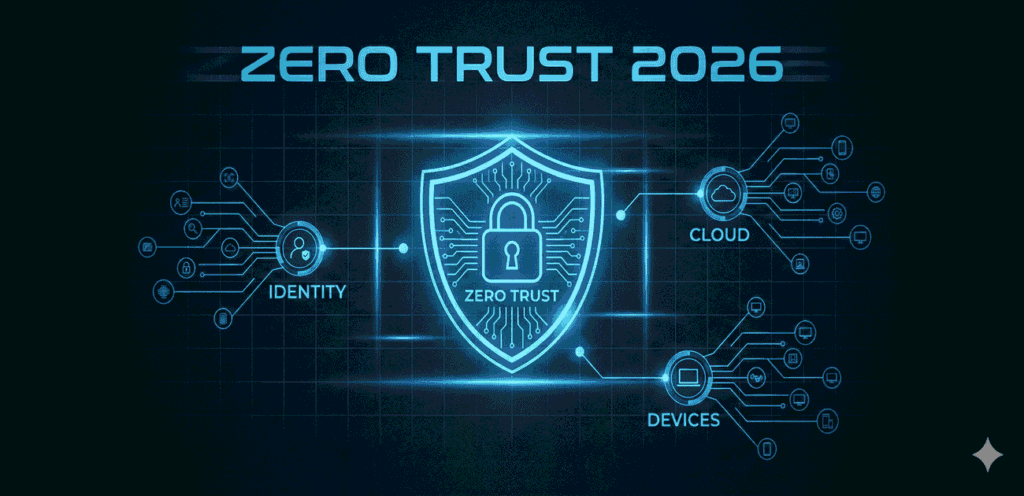
Zero-Trust & Identity-First Cybersecurity in 2026
he cybersecurity perimeter is officially gone. In 2026, enterprises no longer operate within clearly defined networks, and users no longer access systems from a single, trusted location. Cloud adoption, remote work, SaaS sprawl, APIs, and AI-driven automation have transformed the attack surface. As a result, Zero-Trust and identity-first security have become the foundation of modern…
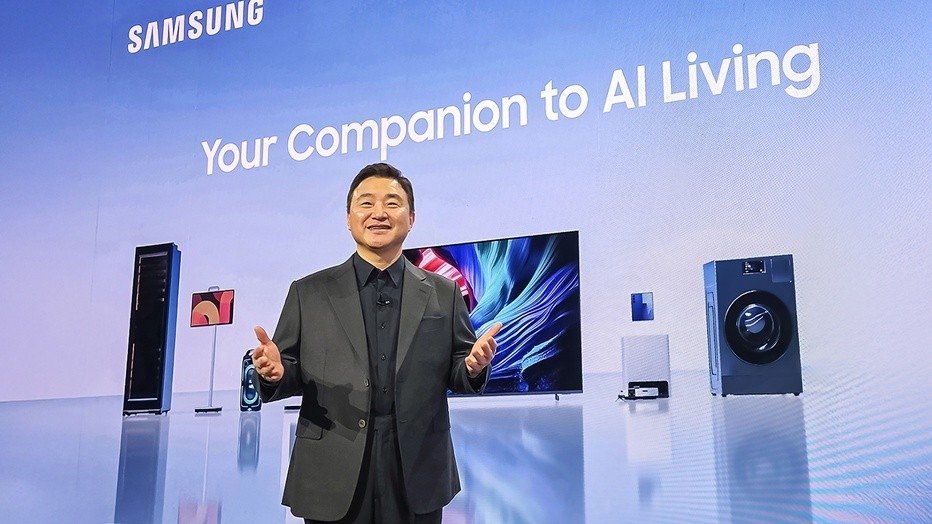
Samsung in 2026: Expanding Device Ecosystems, AI Integration, and Global Tech Leadership
Samsung Electronics continues to consolidate its position as a global technology powerhouse, leveraging strengths in semiconductors, consumer devices, and AI integration. The company’s CES 2026 showcase highlighted its dual focus on innovative hardware and AI-driven ecosystems, spanning smartphones, laptops, TVs, and smart appliances. Samsung’s flagship Galaxy line remains central to its strategy, with devices incorporating…
Cloud-Native Security: Protecting Distributed Systems in 2026
As enterprises increasingly migrate workloads to the cloud, traditional security approaches are proving insufficient. The rise of cloud-native architectures—microservices, serverless computing, containerization, and multi-cloud deployments—has created complex, dynamic environments that demand a new approach to security. In 2026, cloud-native security is no longer optional; it’s a critical foundation for protecting distributed systems in an increasingly…

Building an AI-Driven, Post-Quantum Security Strategy
Organizations that want to thrive in a post-quantum, AI-driven world must take a holistic approach: Assess quantum exposure: Identify systems, data, and communications at risk from future quantum attacks. Adopt AI-powered monitoring: Use AI to detect anomalies, predict vulnerabilities, and automate patching and threat response. Integrate post-quantum encryption: Begin implementing PQC where high-risk or long-lived…

Emerging Trends in Artificial Intelligence
Artificial Intelligence (AI) continues to evolve Artificial Intelligence (AI) continues to evolve at an unprecedented pace, impacting diverse sectors and creating dynamic advancements in machine learning algorithms, natural language processing (NLP), and more. Recent breakthroughs in machine learning have led to more accurate prediction models, improved image recognition, and robust decision-making processes. A notable development…

AWS and HUMAIN announce a more than $5B investment to accelerate AI adoption in Saudi Arabia and globally
Amazon Web Services (AWS) and HUMAIN, Saudi Arabia’s newly created company responsible for driving AI innovation across the Kingdom and globally, today announced plans to invest $5 billion-plus in a strategic partnership to build a groundbreaking “AI Zone” in the Kingdom. This first-of-a-kind AI Zone will bring together multiple innovative capabilities, including dedicated AWS AI…

Post-Quantum Cryptography: The Next Frontier
o prepare for quantum threats, enterprises are turning to post-quantum cryptography (PQC). PQC algorithms are designed to resist attacks from both classical and quantum computers. Key initiatives include: Hybrid encryption models: Combining classical and post-quantum algorithms to protect data during the transition period Quantum key distribution (QKD): Using the principles of quantum mechanics to securely…
Intel Unveils Next-Generation 11th-Gen Core H-Series Processors, Revolutionizing Gaming Laptops
Intel, a leading technology company, has made an exciting announcement that is set to transform the gaming laptop market. The company has introduced its highly anticipated 11th Gen Core H-series processors, specifically designed to elevate the gaming experience on laptops. With advanced performance capabilities and cutting-edge features, these processors promise to deliver a new level…
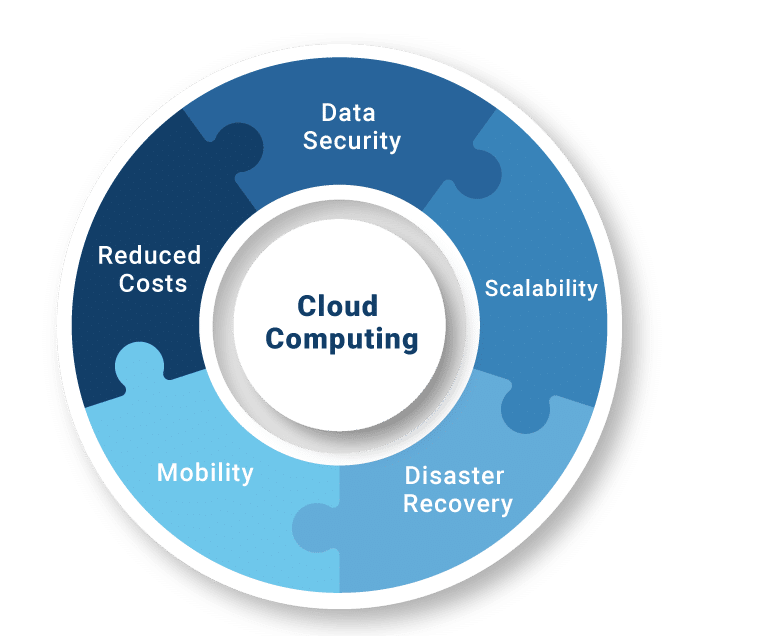
Cloud Computing: Benefits and Challenges
Cloud computing has emerged as a transformative technology, revolutionizing the way businesses store, process, and access data and applications. With its ability to provide scalable and on-demand computing resources over the internet, cloud computing offers numerous benefits to organizations of all sizes. However, like any technological advancement, it also presents its own set of challenges. In this blog, we will explore the benefits and challenges of cloud computing, shedding light on why it has become an integral part of modern IT infrastructure.
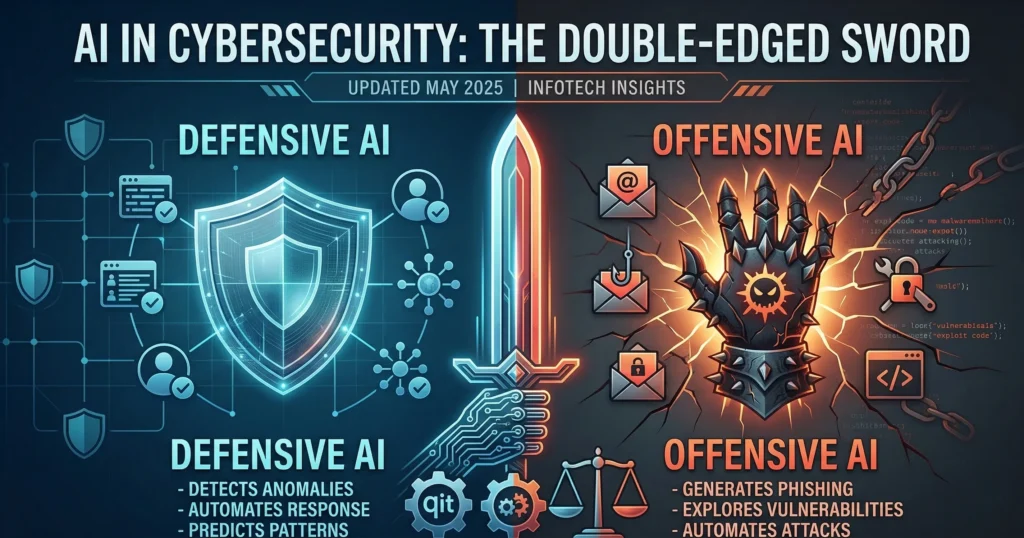
AI in Cybersecurity: Double-Edged Sword
Artificial intelligence is already reshaping cybersecurity in two key ways: Defensive AI: Detects anomalies in network traffic, endpoints, and user behavior Automates threat hunting and incident response Predicts attack patterns before they occur Offensive AI: Generates highly targeted phishing attacks Explores vulnerabilities at scale Automates sophisticated attack campaigns In a post-quantum era, AI’s role will…