
China Halts New Autonomous Vehicle Permits After Baidu Robotaxi Outage
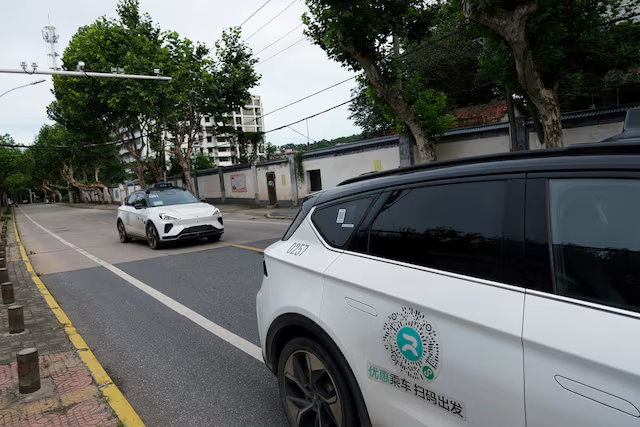
Beijing — Authorities in China have suspended the issuance of new autonomous vehicle permits following a disruption involving robotaxis operated by Baidu’s Apollo Go service, according to reports citing sources familiar with the matter.
The incident, which occurred in Wuhan last month, saw multiple driverless taxis abruptly stop, prompting regulators to launch an investigation and tighten oversight of the fast-growing autonomous mobility sector.
Expansion Plans Put on Hold
The suspension prevents autonomous vehicle companies from:
- Adding new robotaxis to existing fleets
- Launching new pilot programs
- Expanding into additional cities
Baidu’s robotaxi operations in Wuhan have also been temporarily halted while local authorities assess the cause of the outage.
Heightened Focus on Safety Oversight
The move reflects increasing regulatory scrutiny as China balances rapid innovation in autonomous driving with public safety concerns. Earlier this month, regulators had already directed local authorities to strengthen oversight and conduct safety inspections of intelligent connected vehicle testing.
Government agencies, including the industry, transport, and public security ministries, have not yet publicly commented on the reported suspension.
Industry Response
Other major players in China’s robotaxi market emphasized continued operations and adherence to safety standards:
- Pony.ai confirmed its services are operating normally across cities including Beijing, Shanghai, Guangzhou, and Shenzhen
- WeRide stated its robotaxi network continues to function across more than 1,000 square kilometers
Both companies reiterated their support for regulatory efforts to ensure high safety standards across the industry.
Implications for the Autonomous Driving Sector
China has been at the forefront of deploying autonomous vehicle technologies at scale, with multiple companies expanding robotaxi services across major urban centers. However, the latest suspension highlights the operational risks associated with large-scale deployment of AI-driven transport systems.
While the pause may slow near-term expansion, it is likely to lead to stricter safety requirements and more robust regulatory frameworks—key factors for sustaining long-term growth and public trust in autonomous mobility.




- « Previous
- 1
- …
- 35
- 36
- 37