Cloud Computing Trends: How Multi-Cloud Strategies Are Shaping IT in 2026
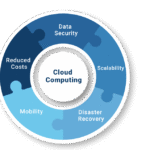
The IT landscape in 2026 is more dynamic and interconnected than ever before, and cloud computing continues to be at the heart of enterprise innovation. Among the emerging trends, multi-cloud strategies are gaining traction as businesses seek flexibility, scalability, and resilience. Organizations are no longer relying on a single cloud provider; instead, they are leveraging multiple platforms to optimize performance, reduce risks, and unlock competitive advantages.
What is a Multi-Cloud Strategy?
A multi-cloud strategy involves using two or more cloud service providers to meet different business needs. Enterprises might use one provider for data storage, another for analytics, and yet another for AI-powered applications. This approach avoids vendor lock-in, enhances system redundancy, and allows companies to select best-of-breed services for specific workloads.
Key Drivers Behind Multi-Cloud Adoption
- Flexibility and Innovation:
Multi-cloud enables enterprises to pick and choose services tailored to their business requirements. This flexibility allows IT teams to experiment with cutting-edge tools without committing to a single ecosystem. - Resilience and Risk Management:
By distributing workloads across multiple cloud providers, businesses reduce the risk of downtime and data loss. If one platform experiences an outage, workloads can seamlessly shift to another provider. - Cost Optimization:
Multi-cloud strategies empower organizations to select providers based on cost-efficiency for specific workloads. Companies can take advantage of competitive pricing, optimize resource allocation, and avoid unnecessary expenditures. - Regulatory Compliance:
With increasing data sovereignty and privacy regulations, multi-cloud allows organizations to store and process data in geographically compliant locations while maintaining operational efficiency.
Emerging Trends in Multi-Cloud for 2026
- AI-Powered Cloud Management:
AI and machine learning are being integrated into multi-cloud management tools to optimize resource allocation, predict costs, and ensure peak performance. - Serverless and Edge Computing Integration:
Enterprises are combining multi-cloud with serverless architectures and edge computing to enhance responsiveness, reduce latency, and support IoT applications. - Cloud-Native Security Solutions:
Multi-cloud security is evolving with AI-driven threat detection, automated compliance monitoring, and unified security management across platforms. - Hybrid Workload Orchestration:
Organizations are leveraging multi-cloud to orchestrate hybrid workloads efficiently, moving applications between private and public clouds depending on demand and cost considerations.
Challenges in Multi-Cloud Adoption
While multi-cloud strategies offer significant benefits, they also come with challenges:
- Complexity in Management: Managing multiple providers can increase operational complexity.
- Integration and Interoperability: Ensuring seamless communication between different clouds requires robust integration solutions.
- Data Security: Protecting sensitive data across multiple platforms demands consistent security policies and monitoring.
Multi-cloud strategies are no longer optional—they are becoming a strategic imperative for enterprises in 2026. By offering flexibility, resilience, cost optimization, and regulatory compliance, multi-cloud architectures empower organizations to innovate faster, operate efficiently, and stay competitive in a rapidly evolving digital landscape.
As IT leaders continue to embrace multi-cloud approaches, the future will belong to businesses that can navigate complexity while maximizing the unique strengths of each cloud provider.