Cybersecurity in the Modern Enterprise: Threats, Prevention, and Compliance
In 2026, cybersecurity is no longer just an IT concern—it’s a core business priority. Modern enterprises face increasingly sophisticated cyber threats, ranging from ransomware and phishing attacks to insider threats and supply chain vulnerabilities. As businesses become more digital and data-driven, protecting sensitive information and maintaining trust has never been more critical.
Understanding the Modern Threat Landscape
The cyber threat landscape is evolving rapidly:
- Ransomware Attacks: Cybercriminals continue to target enterprises with ransomware, locking critical systems and demanding large payouts.
- Phishing and Social Engineering: Human error remains a major risk, with attackers using sophisticated tactics to trick employees into revealing credentials or downloading malware.
- Cloud Vulnerabilities: As enterprises adopt multi-cloud strategies, misconfigured cloud services have become a prime attack vector.
- IoT and Edge Device Threats: With the proliferation of connected devices, enterprises must secure endpoints that were previously outside traditional IT perimeters.
Prevention Strategies for Enterprises
A proactive cybersecurity approach is essential. Key strategies include:
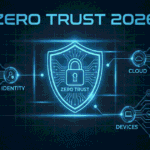
- Zero Trust Architecture:
Adopting a Zero Trust model ensures that no user or device is automatically trusted, even inside the corporate network. Every access request is verified, reducing the risk of internal and external breaches. - AI and Automation in Security:
AI-driven security tools can detect anomalies, predict potential attacks, and respond in real-time. Automation accelerates incident response and reduces the burden on security teams. - Regular Training and Awareness:
Employees are often the weakest link. Continuous cybersecurity training helps staff recognize phishing attempts, social engineering tactics, and unsafe digital practices. - Endpoint and Cloud Security:
Protecting endpoints, mobile devices, and cloud workloads with encryption, monitoring, and secure configurations is crucial to prevent unauthorized access. - Threat Intelligence and Monitoring:
Proactive monitoring of networks and access logs, combined with threat intelligence feeds, allows enterprises to detect emerging threats before they escalate.
Compliance: Meeting Regulatory Demands
Enterprises must also comply with a growing array of cybersecurity and data protection regulations:
- GDPR, CCPA, and Data Sovereignty Laws: These require organizations to protect customer data and provide transparency about data usage.
- Industry Standards: Regulations such as HIPAA (healthcare) and PCI DSS (payment processing) set strict security standards for specific sectors.
- Audit and Reporting Requirements: Maintaining logs, access controls, and evidence of compliance is critical for audits and risk management.
The Role of Leadership in Cybersecurity
Cybersecurity is no longer just the responsibility of IT teams. Executive leadership must prioritize it as part of overall business strategy. Allocating resources, investing in modern security technologies, and fostering a culture of cyber awareness across departments are essential for enterprise resilience.
In the modern enterprise, cybersecurity is a business imperative. By understanding threats, implementing proactive prevention strategies, and ensuring regulatory compliance, organizations can protect critical assets and maintain stakeholder trust. In 2026, enterprises that treat cybersecurity as a strategic priority—rather than a reactive measure—will not only survive but thrive in an increasingly digital world.