Digital Fatigue: How Too Much Technology Is Reducing Productivity
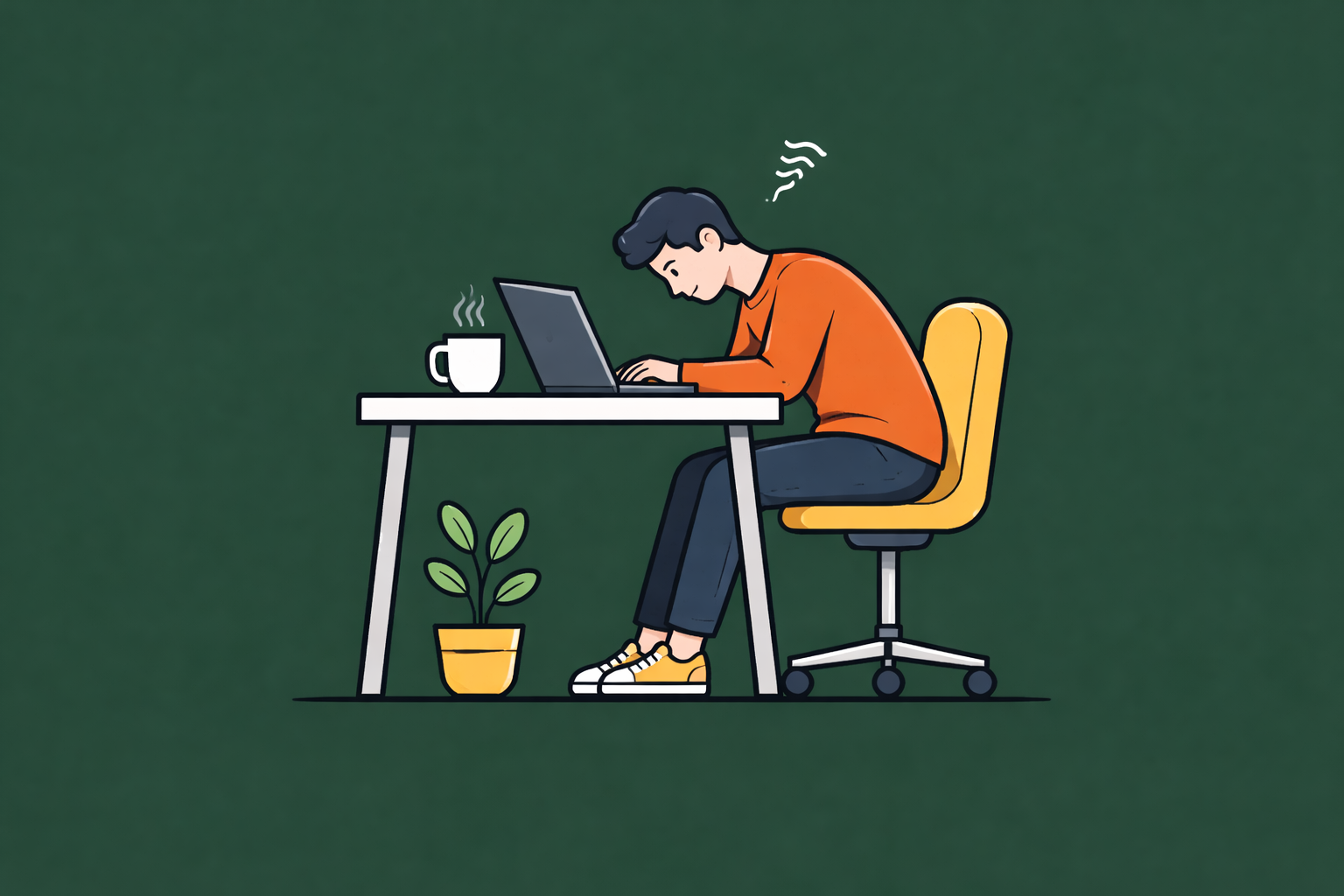
There was a time when technology promised freedom. Faster communication, smarter tools, seamless collaboration—everything pointed toward a future where work would become easier and more efficient. And for a while, it did. But somewhere along the way, the tools designed to simplify our lives began to complicate them. What we’re experiencing now isn’t just overload—it’s digital fatigue.
Digital fatigue is not simply about spending too much time in front of screens. It’s the mental exhaustion that comes from constant notifications, endless context switching, and the pressure to always be “on.” It’s the quiet drain that makes even simple tasks feel heavier, slower, and more difficult than they should be. And ironically, it’s happening in an era where productivity tools are more advanced than ever.
The modern work environment is built on layers of technology. Emails, messaging platforms, project management tools, video conferencing apps, analytics dashboards, AI assistants—the list keeps growing. Each tool is introduced with the intention of improving efficiency. But when combined, they create a fragmented ecosystem that demands constant attention.
A typical workday illustrates the problem. You start by checking emails, then jump into a messaging app for quick updates. A meeting notification pops up, followed by reminders from your task manager. Meanwhile, your phone buzzes with alerts from multiple apps. Even when you try to focus, there’s always something pulling you away. This constant interruption doesn’t just slow you down—it changes how your brain works.
Research has shown that frequent context switching reduces cognitive efficiency. Every time you shift from one task to another, your brain needs time to reorient. Over the course of a day, these micro-interruptions add up, leading to mental fatigue and reduced output. You may feel busy all day, yet accomplish less meaningful work. That’s the paradox of digital productivity.
Another layer of digital fatigue comes from the expectation of instant responsiveness. Technology has collapsed the boundaries between work and personal life. Messages arrive at all hours, and the pressure to respond quickly is often unspoken but deeply felt. This creates a state of continuous partial attention, where you’re never fully focused on one thing because you’re always anticipating the next interruption.
Over time, this erodes not just productivity, but also creativity. Deep thinking requires uninterrupted time. It requires space for ideas to develop, connections to form, and problems to be explored from multiple angles. When your attention is constantly fragmented, that depth disappears. You may still produce work, but it becomes reactive rather than thoughtful.
Ironically, many of the tools contributing to digital fatigue are also marketed as solutions to it. Automation platforms promise to streamline workflows. AI tools claim to reduce manual effort. While these technologies do offer real benefits, they also introduce new layers of complexity. Learning to use them, managing their outputs, and integrating them into existing systems can create additional cognitive load.
The issue isn’t technology itself—it’s how it’s being used. Organizations often adopt new tools without removing old ones. Instead of replacing systems, they stack them. This leads to duplication, confusion, and inefficiency. Employees are left navigating multiple platforms that perform similar functions, unsure of where to find information or where to act.
Digital fatigue also has a human cost. Prolonged exposure to screens and constant information flow can lead to burnout, decreased motivation, and even physical symptoms like eye strain and headaches. More importantly, it affects how people feel about their work. When every task is mediated through technology, the sense of progress and accomplishment can become diluted.
So, what can be done?
The first step is recognizing that more tools do not automatically mean more productivity. In fact, the opposite is often true. Simplification, not addition, is the key to reducing digital fatigue. Organizations need to audit their technology stack and identify redundancies. Which tools are essential? Which ones are creating noise rather than value? Streamlining systems can significantly reduce cognitive load.
Equally important is redefining communication norms. Not every message requires an immediate response. Not every update needs to be shared in real time. Creating clear expectations around response times and communication channels can help reduce the pressure of constant connectivity. When people know they’re not expected to be instantly available, they can focus more deeply on their work.
Another critical shift is prioritizing deep work. This means intentionally creating time blocks where interruptions are minimized. No meetings, no notifications, no multitasking—just focused effort on meaningful tasks. Even a few hours of deep work each week can have a significant impact on productivity and job satisfaction.
Technology itself can also be part of the solution, but only when used thoughtfully. Features like notification controls, focus modes, and AI-driven prioritization can help manage information flow. The goal is not to eliminate technology, but to make it work for you rather than against you.
On an individual level, building awareness is key. Pay attention to how you interact with technology throughout the day. Notice when you’re switching tasks, when you’re checking notifications, and how it affects your energy and focus. Small changes—like turning off non-essential alerts or scheduling specific times to check messages—can make a big difference.
Leaders also play a crucial role in addressing digital fatigue. Culture is shaped from the top, and when leaders model healthy technology use—such as respecting boundaries, avoiding after-hours communication, and valuing focused work—it sets a precedent for the entire organization.
Ultimately, digital fatigue is a signal. It’s a sign that the way we’re using technology is out of balance. The tools themselves are not the problem; it’s the constant, unfiltered flow of information and the expectation to engage with it all at once.
We are at a point where the conversation around productivity needs to evolve. It’s no longer just about doing more, faster. It’s about doing better, with intention and focus. That requires creating environments—both digital and cultural—where attention is protected, not constantly consumed.
Technology will continue to advance. New tools will emerge, promising even greater efficiency. But if we don’t address the underlying issue of digital fatigue, we risk amplifying the very problem we’re trying to solve.
The future of productivity isn’t about adding more technology. It’s about using less of it, more effectively.