
Green IT: How Technology is Becoming Eco-Friendly
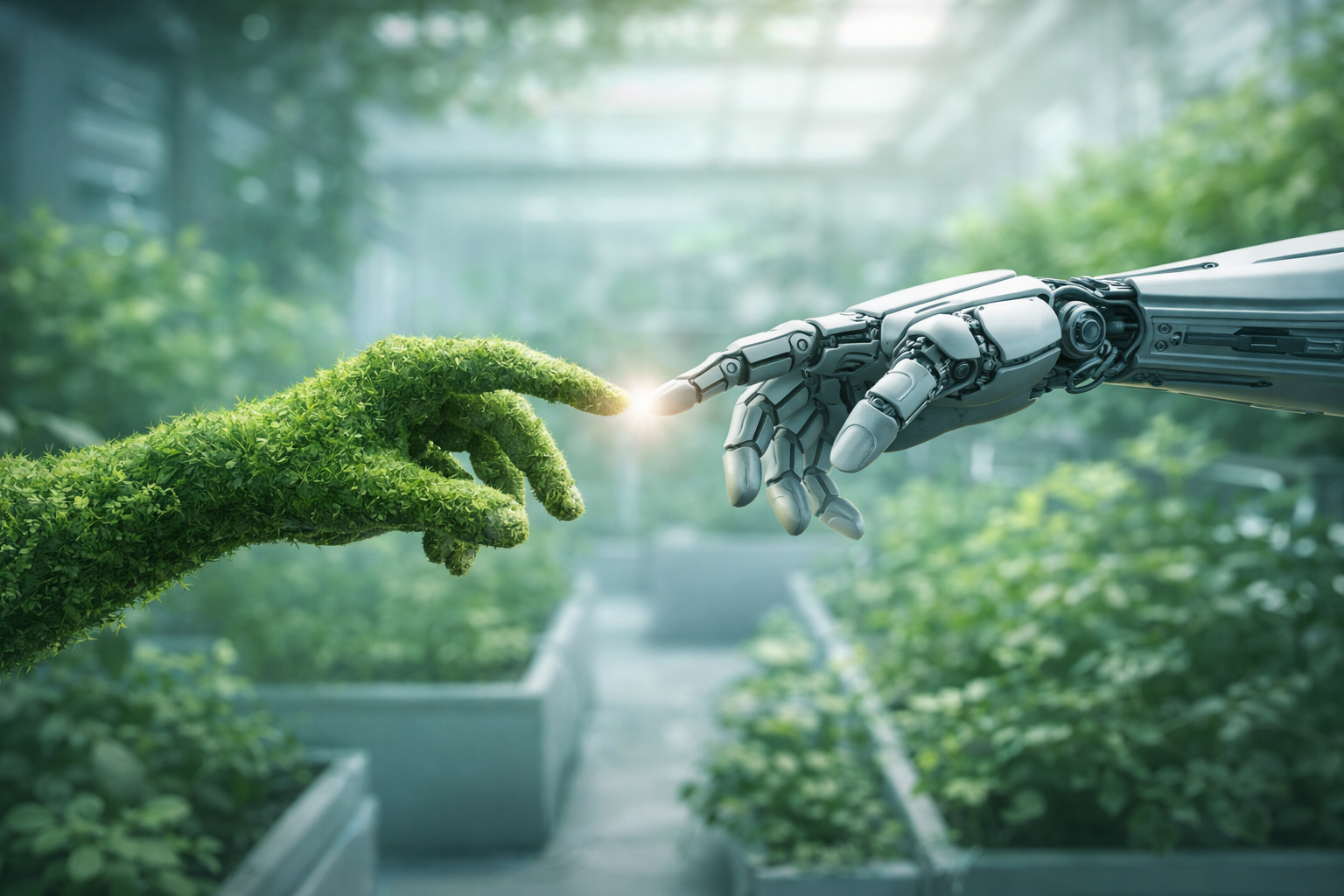
In the modern world, technology is growing very fast. We use computers, smartphones, cloud computing, data centers, artificial intelligence, and the internet every day. While technology has made our lives easier and businesses more efficient, it has also increased energy consumption, electronic waste, and carbon emissions. This has created environmental challenges such as global warming, pollution, and resource depletion. To solve these problems, companies and governments are now focusing on Green IT, also known as Sustainable Information Technology.
Green IT refers to the practice of designing, using, and managing technology in a way that reduces environmental impact, saves energy, and promotes sustainability. The goal of Green IT is to make technology eco-friendly without reducing performance or productivity. Today, many IT companies are working toward reducing carbon emissions, improving energy efficiency, and recycling electronic waste.
One of the biggest environmental issues in the IT industry is data centers. Data centers are large facilities that store servers, storage systems, and networking equipment. These data centers consume a huge amount of electricity and produce a lot of heat, which requires cooling systems. Cooling systems also consume energy, which increases carbon emissions. To solve this problem, companies are building energy-efficient data centers. Modern data centers use advanced cooling systems, renewable energy sources such as solar and wind power, and energy-efficient hardware to reduce power consumption.
Cloud computing is also helping in Green IT. Earlier, companies used to maintain their own servers, which consumed a lot of electricity. Now many companies are moving to cloud computing, where large cloud providers use optimized and energy-efficient data centers. This reduces the overall energy consumption because resources are shared and used more efficiently.
Another important part of Green IT is virtualization. Virtualization allows multiple virtual machines to run on a single physical server. This reduces the number of physical servers required, which saves electricity and reduces hardware costs. Virtualization is widely used in cloud computing and enterprise IT infrastructure.
E-waste management is another major issue. Electronic waste includes old computers, laptops, mobile phones, batteries, and other electronic devices. These devices contain harmful materials such as lead, mercury, and plastic, which can harm the environment if not disposed of properly. Green IT encourages recycling, reusing, and proper disposal of electronic devices. Many companies now have e-waste recycling programs.
Energy-efficient hardware is also an important part of Green IT. Modern computers, servers, and devices are designed to consume less power. Technologies such as power management systems, energy-efficient processors, and solid-state drives (SSD) help reduce energy consumption.
Green IT also includes remote working and digital communication. Technologies such as video conferencing, cloud collaboration tools, and remote work systems reduce the need for travel and physical offices. This reduces fuel consumption and carbon emissions.
Artificial Intelligence is also being used to support Green IT. AI can monitor energy usage in data centers, optimize cooling systems, and reduce power consumption. AI can also be used in smart buildings and smart cities to manage electricity, water, and waste efficiently.
Many large technology companies are now committing to environmental sustainability. They are investing in renewable energy, carbon-neutral data centers, and eco-friendly product design. Some companies are designing products that are easier to repair and recycle, which reduces electronic waste.
Despite these improvements, there are still challenges in Green IT. One challenge is the rapid increase in data usage, which increases the demand for data centers and energy. Another challenge is electronic waste management because people frequently replace their devices. There is also a need for awareness among individuals and organizations about sustainable technology practices.
In the future, Green IT will become more important as companies try to reduce their carbon footprint and follow environmental regulations. Technologies such as renewable energy-powered data centers, energy-efficient chips, smart grids, and sustainable hardware design will play a major role in Green IT.