
Meta–Manus Deal Faces Beijing Scrutiny, Raising Concerns Among Tech Founders and Investors
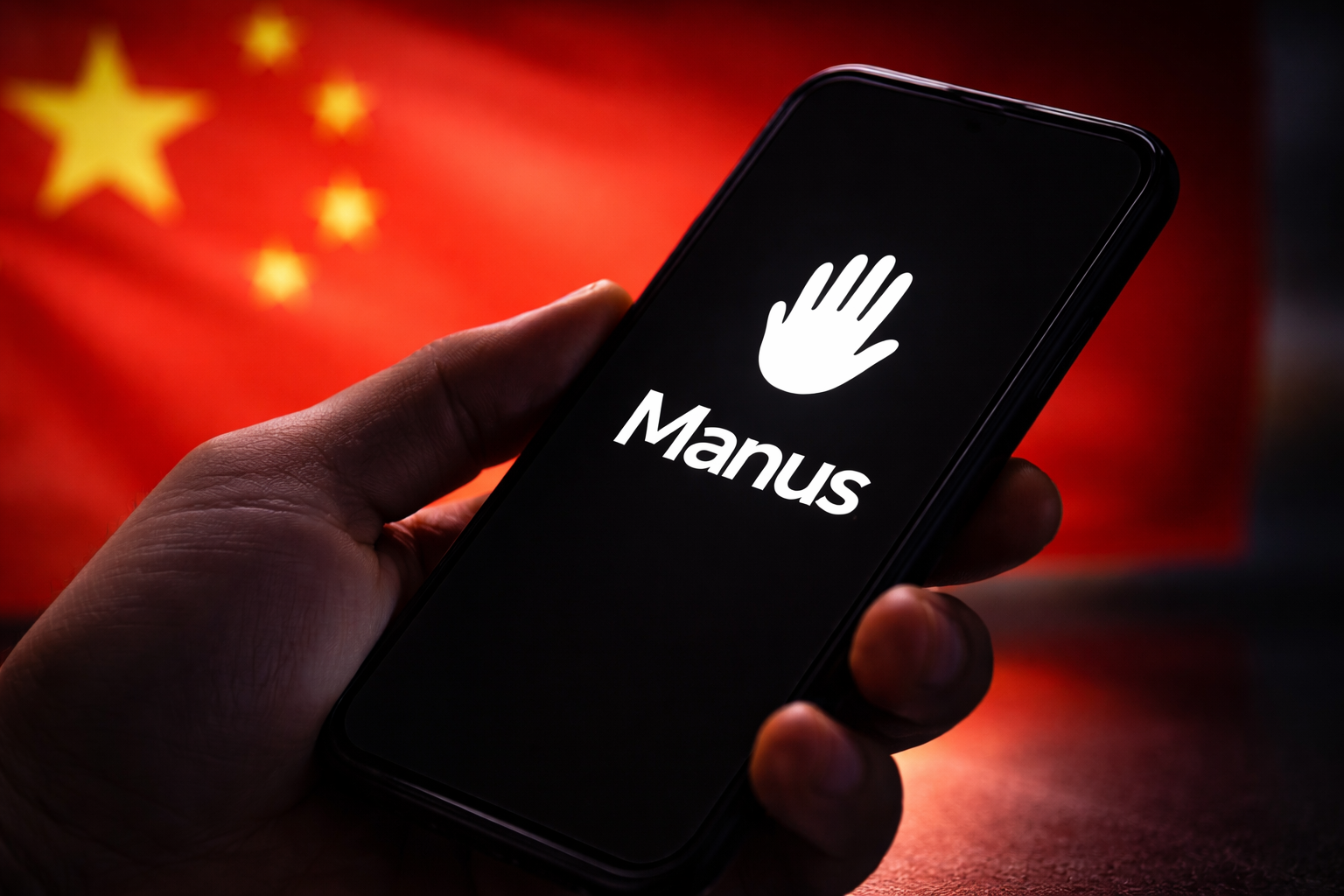
April 2026 — Beijing’s unexpected intervention in Meta’s $2 billion acquisition of AI startup Manus has created uncertainty among tech founders and investors, especially those using offshore structures to attract foreign investment.
The deal, completed late last year, involved Meta acquiring Manus, a Singapore-based AI startup with Chinese roots. The acquisition initially appeared to validate a strategy known as “Singapore-washing,” where Chinese startups relocate to Singapore to avoid regulatory pressure from both China and the United States while accessing global investors.
However, China’s government quickly intervened, reviewing whether the Manus sale violated laws related to technology exports and outbound investment. According to reports, Chinese authorities also restricted Manus co-founders from leaving China, signaling stricter control over AI technology and talent.
Offshore Strategy Under Pressure
For years, some Chinese startups moved their headquarters to Singapore while keeping research and development in China. This allowed them to raise foreign capital and operate internationally. The Manus deal was seen as a successful example of this model.
But Beijing’s review has raised concerns that moving a company’s legal headquarters overseas may not be enough if the core technology, data, and talent remain in China. Experts say regulators are now looking at where the technology is developed, not just where the company is registered.
As a result, many founders are reconsidering their strategies. Instead of moving companies overseas later, some are now choosing to start their companies outside China from the beginning to avoid regulatory risks.
Impact on Investors and the AI Industry
The situation highlights the growing U.S.–China technology rivalry, especially in artificial intelligence. The competition is not just about advanced chips, but also about talent, data, and technology ownership.
Investors are now concerned that offshore structures may not fully protect Chinese startups from Chinese regulations. Authorities may still review the company’s code, data, and technical teams even if the company is registered in another country.
Despite the investigation, the Meta-Manus deal has already moved forward, with more than 100 Manus employees relocating to Meta’s Singapore office earlier this year. Meta said the transaction followed all applicable laws and expects the issue to be resolved.
Uncertain Future for Cross-Border AI Deals
It is still unclear whether Chinese regulators will take further action or attempt to reverse the deal. If that happens, it could create complications for Meta, which has already started integrating Manus technology into its operations.
The situation also creates uncertainty for global AI startups that rely on Chinese engineering talent. One major unanswered question is whether outsourcing development work to China could be considered a technology export violation in the future.