
Meta Unveils ‘Muse Spark’ AI Model in Bid to Catch OpenAI, Google Rivals
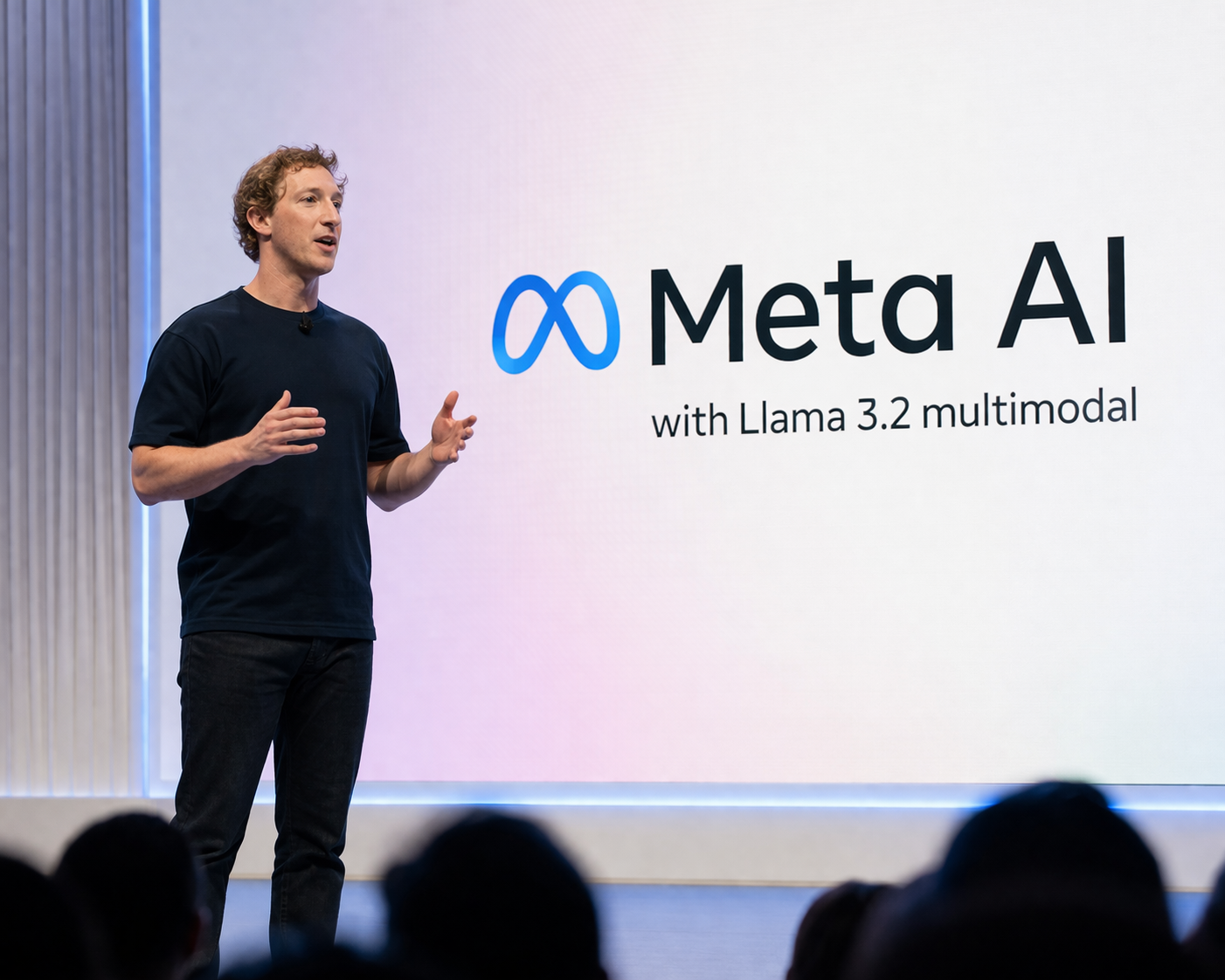
Meta has launched a new artificial intelligence model called Muse Spark, marking its first major release since ramping up investments in AI and hiring Alexandr Wang to lead its superintelligence efforts.
Developed by Meta Superintelligence Labs, the new model—internally code-named Avocado—is positioned as a fast and efficient system capable of handling complex reasoning tasks across science, math, and health. While not marketed as a top-tier model, Meta emphasized its performance and efficiency as key differentiators.
The launch comes as Meta attempts to regain ground in a highly competitive AI market dominated by OpenAI, Anthropic, and Google. Earlier efforts, including its Llama models, struggled to gain strong developer traction, prompting a strategic reset under CEO Mark Zuckerberg.
Meta said it rebuilt its AI infrastructure over the past nine months, enabling the creation of smaller models that deliver competitive performance using significantly less computing power. The company continues to invest heavily in closing gaps, particularly in coding and long-horizon AI agent capabilities.
The new model will initially be available through a private API preview for select partners, with plans to expand access and introduce paid usage later. It will also power Meta’s AI assistant across its ecosystem, including Facebook, Instagram, WhatsApp, Messenger, and its Ray-Ban smart glasses.
Muse Spark introduces multiple interaction modes, allowing users to switch between quick responses and more advanced reasoning tasks. A new “Contemplating mode” leverages multiple AI agents working in parallel to tackle complex queries, competing with advanced reasoning systems from rival models.
Meta is also exploring monetization opportunities through AI-driven shopping features, enabling users to discover and purchase products directly within its apps. The model will eventually support additional features such as AI-powered video tools within the Meta AI platform.
The launch reflects Meta’s aggressive push into AI infrastructure, with projected capital expenditures between $115 billion and $135 billion in 2026. As the generative AI market continues to expand rapidly, Meta is betting that efficiency, integration, and scale across its massive user base will help it close the gap with industry leaders.