Samsung in 2026: Expanding Device Ecosystems, AI Integration, and Global Tech Leadership
Samsung Electronics continues to consolidate its position as a global technology powerhouse, leveraging strengths in semiconductors, consumer devices, and AI integration. The company’s CES 2026 showcase highlighted its dual focus on innovative hardware and AI-driven ecosystems, spanning smartphones, laptops, TVs, and smart appliances.
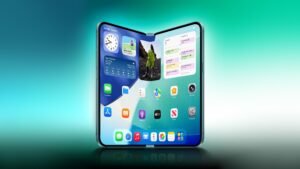
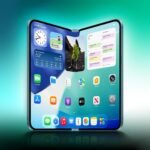
Samsung’s flagship Galaxy line remains central to its strategy, with devices incorporating AI-driven cameras, predictive battery management, and enhanced ecosystem connectivity. The company is also expanding its AI assistant and smart home offerings, enabling seamless interaction between devices in homes and workplaces, demonstrating a vision for ambient intelligence and device interconnectivity.
On the semiconductor front, Samsung is investing heavily in AI-optimized memory, Exynos processors, and advanced chip fabrication, positioning itself as a competitor to Intel and TSMC in both logic and memory markets. Samsung’s foundry business is expanding production capacity for cutting-edge nodes, driven by global demand for AI accelerators and high-performance mobile chips.
The company’s display and TV divisions are innovating with microLED, quantum-dot panels, and AI-powered image optimization, targeting both consumer and commercial markets. These developments reinforce Samsung’s strategy of combining hardware excellence with intelligent software solutions to maintain leadership across multiple product categories.
Additionally, Samsung’s efforts in robotics, wearables, and health technology reflect an ecosystem-centric vision. By integrating AI insights into devices, the company aims to enhance user experiences, predictive maintenance, and health monitoring, signaling a shift from standalone products to connected intelligent systems.
Samsung faces competition from Apple in premium devices, from Chinese manufacturers in value segments, and from Nvidia/AMD in AI hardware. Nevertheless, its diversified portfolio, vertical integration, and focus on AI-enhanced ecosystems provide resilience against market volatility and create opportunities for global expansion.
In short, Samsung in 2026 demonstrates a comprehensive strategy of device innovation, AI integration, and semiconductor leadership, reinforcing its role as a critical player shaping both consumer technology and the global AI infrastructure market.