
Starlink Outage Disrupts U.S. Navy Drone Tests, Highlighting Pentagon’s Reliance on SpaceX
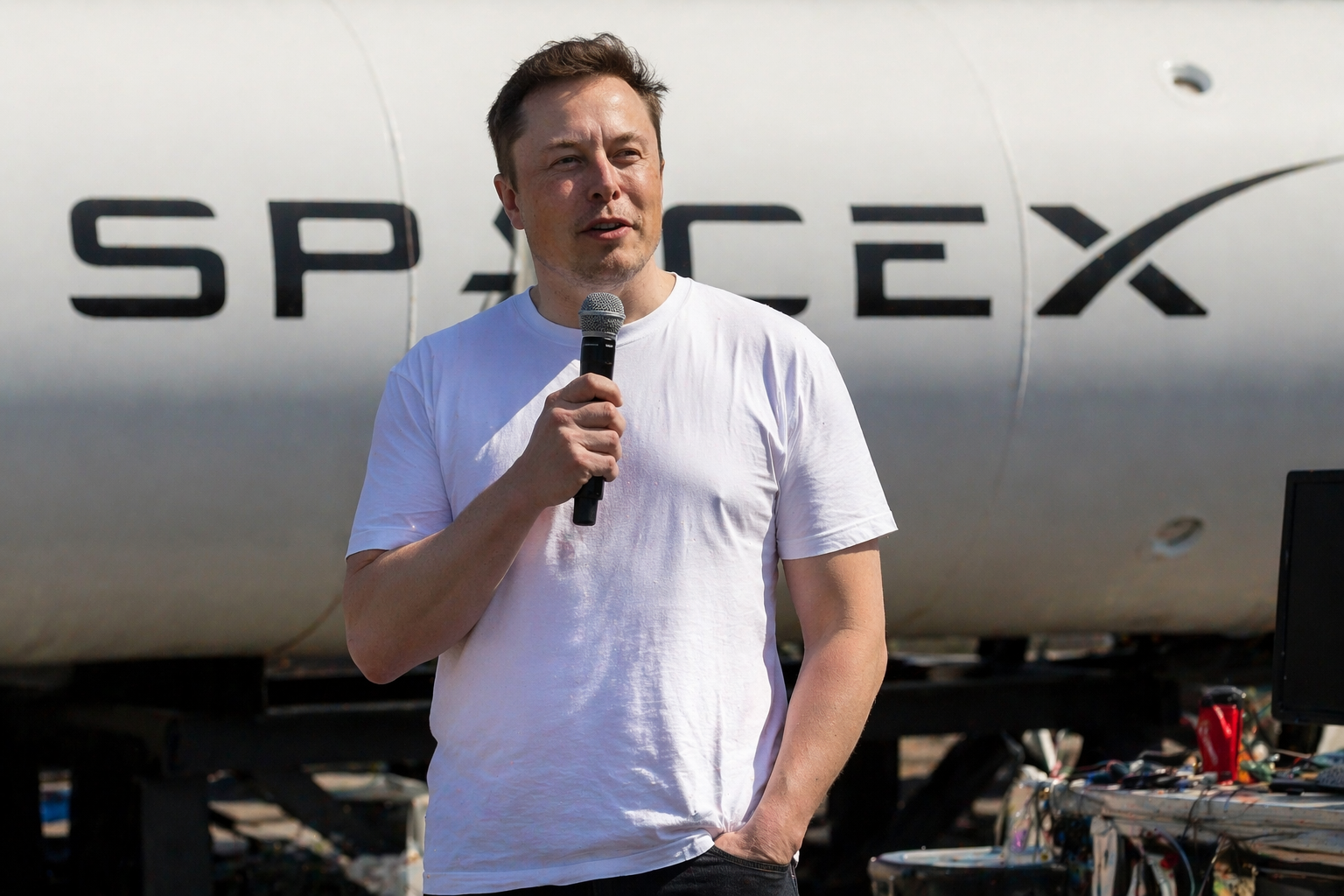
A global outage affecting Starlink last August disrupted U.S. Navy drone testing operations, exposing the risks of the United States Department of Defense’s growing dependence on SpaceX infrastructure.
According to internal Navy documents reviewed by Reuters, the outage left approximately two dozen unmanned surface vessels temporarily inoperable off the California coast, halting communications and suspending operations for nearly an hour.
A Single Point of Failure
The disruption revealed a critical vulnerability: reliance on a single communications provider. The unmanned vessels—part of a broader effort to expand U.S. military capabilities in potential conflicts, including scenarios involving China—were unable to maintain connectivity during the outage.
The incident was not isolated. Multiple Navy tests involving autonomous systems have reportedly faced similar disruptions linked to Starlink connectivity issues, raising concerns about operational resilience in mission-critical environments.
Starlink’s Strategic Importance
Despite these challenges, Starlink remains a cornerstone of U.S. military communications. With a low-Earth orbit constellation of nearly 10,000 satellites, the network provides global, high-speed connectivity that is difficult to replicate.
Clayton Swope of the Center for Strategic and International Studies noted that without Starlink, the U.S. government would lack access to a comparable global communications infrastructure.
Beyond drone operations, Starlink supports a range of defense applications, including missile tracking and battlefield communications. Its defense-focused counterpart, Starshield, further strengthens SpaceX’s role in national security.
Growing Dependence—and Risk
SpaceX’s expanding footprint across satellite communications, launch services, and military AI has made it an indispensable partner to the Pentagon. The company is also reportedly preparing for a potential $2 trillion public offering, underscoring its dominant position in the space sector.
However, this dominance is raising alarms among policymakers. Lawmakers have warned about the risks of relying heavily on a single private company—particularly one led by Elon Musk—for critical defense capabilities.
Previous incidents have amplified these concerns. In 2024, reports indicated that Starlink access was temporarily restricted for Ukrainian forces during military operations, while separate scrutiny emerged over service availability in Taiwan.
Competition Emerging, But Gap Remains
Rivals are beginning to challenge SpaceX’s lead. Amazon recently announced an $11.6 billion deal to acquire satellite operator Globalstar, signaling increased competition in low-Earth orbit communications.
Still, SpaceX maintains a significant advantage. The United States Space Force has repeatedly turned to SpaceX for launch services, including reassigning upcoming GPS missions due to delays with rockets developed by Boeing and Lockheed Martin through their joint venture, United Launch Alliance.
Balancing Innovation with Resilience
While the Pentagon emphasizes that it relies on multiple resilient systems, the Navy incidents highlight a broader challenge: ensuring redundancy in an era where cutting-edge capabilities are increasingly concentrated among a small number of private providers.
As military operations become more dependent on commercial technologies, the balance between innovation, efficiency, and operational resilience is becoming a critical strategic concern for defense planners.