
Stellantis and Microsoft Sign Five-Year Partnership to Accelerate AI Capabilities
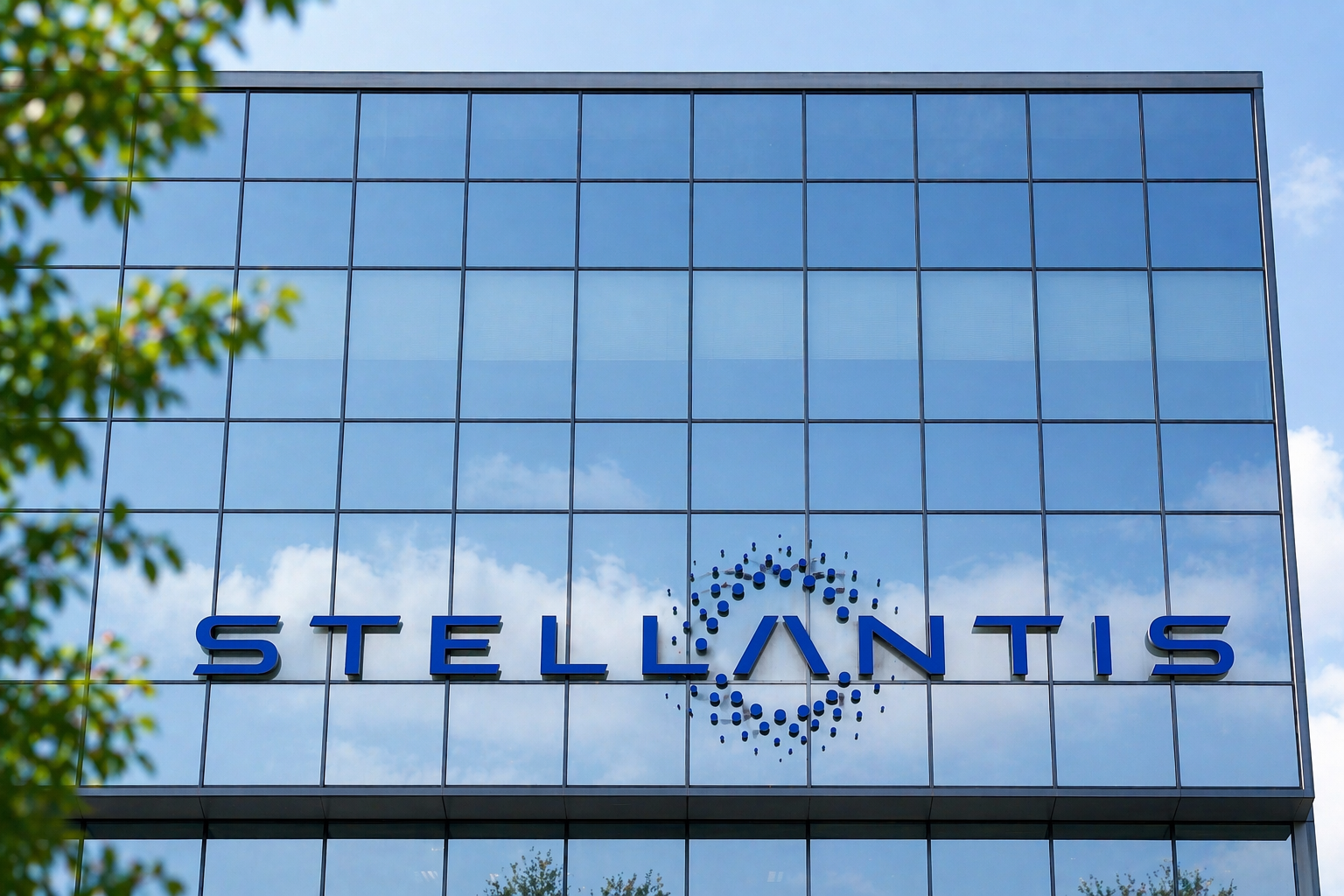
Stellantis and Microsoft have entered into a five-year strategic partnership to co-develop artificial intelligence, cybersecurity, and engineering capabilities, as legacy automakers intensify efforts to compete with increasingly tech-driven rivals.
The agreement underscores a broader industry shift, where software and data-driven services are becoming central to long-term automotive strategy—particularly as Chinese manufacturers rapidly advance digital features to attract customers in both domestic and global markets.
Strengthening AI Across the Enterprise
Under the partnership, joint teams from both companies will collaborate on more than 100 AI initiatives spanning:
- Product development and validation
- Predictive maintenance and testing
- Faster deployment of digital features and services
Ned Curic highlighted the importance of the collaboration:
“Through our collaboration with Microsoft, we are accelerating our AI momentum across the enterprise,” Curic said.
While financial terms of the deal were not disclosed, the scale of planned initiatives signals a deep integration of AI into Stellantis’ operations.
Responding to Industry-Wide Transformation
The partnership reflects mounting pressure on traditional automakers to modernize their technology stacks. Historically, many legacy manufacturers have struggled to build advanced software capabilities in-house, prompting a growing reliance on partnerships with technology firms.
For Stellantis, this approach is not new. The company has previously collaborated with Microsoft on connected vehicle platforms and in-car digital services. The latest agreement expands that relationship significantly, aligning with Stellantis’ renewed focus on improving vehicle quality, core sales, and customer experience.
Expanding Cybersecurity Capabilities
A key component of the partnership is the enhancement of Stellantis’ global cyber defence centre. Leveraging AI-driven analytics, the initiative aims to strengthen protection across:
- IT infrastructure
- Connected vehicles
- Manufacturing facilities
- Digital products and mobile applications
The integrated approach is designed to safeguard vehicle systems, customer data, and operational processes, reflecting the growing importance of cybersecurity in an increasingly connected automotive ecosystem.
Driving the Next Phase of Automotive Innovation
As vehicles evolve into software-defined platforms, partnerships like this are becoming critical enablers of innovation. By combining automotive expertise with advanced AI and cloud capabilities, Stellantis and Microsoft aim to accelerate the rollout of intelligent features while improving efficiency and resilience.
The collaboration highlights a defining trend in the industry: the convergence of automotive engineering and digital technology, where success increasingly depends on the ability to integrate AI, data, and cybersecurity at scale.