
The Growing Impact of Global Wars on the IT Sector in 2026
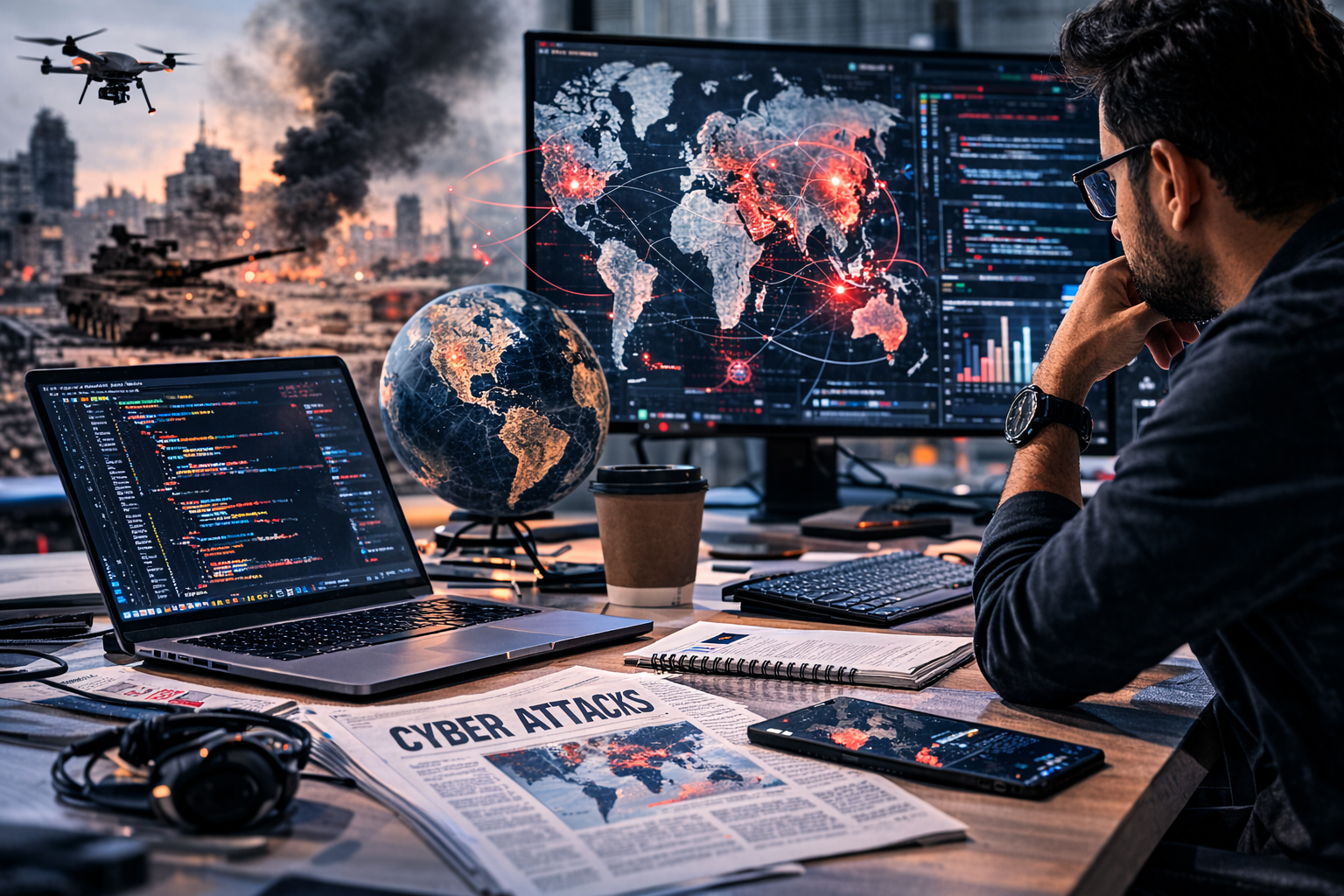
Geopolitical tensions and military conflicts increasingly influence the global technology landscape. Wars today are no longer fought only with weapons and armies; they are also fought through data, algorithms, cyberattacks, and digital infrastructure. As conflicts intensify across regions, the IT sector is experiencing both significant risks and unexpected growth opportunities.
In 2026, the relationship between warfare and technology has become stronger than ever. From cybersecurity threats to supply chain disruptions, the IT industry is facing a new reality where geopolitics directly affects digital innovation, investment, and global operations.
1. Cyber Warfare Is Becoming a Major Battlefield
One of the biggest impacts of war on the IT sector is the rapid rise of cyber warfare. Governments and state-backed hacker groups are increasingly targeting businesses, infrastructure, and technology systems.
Recent incidents show how conflicts are spilling into cyberspace. For example, cyberattacks linked to geopolitical tensions have targeted companies, healthcare infrastructure, and critical systems, disrupting operations and raising concerns about digital security. (The Times of India)
Cyber warfare often involves:
- Ransomware attacks
- Data breaches
- Disruption of digital infrastructure
- Attacks on cloud services and networks
Cyber operations are increasingly conducted alongside traditional military operations as part of hybrid warfare strategies.
As a result, organizations worldwide are dramatically increasing investments in cybersecurity technologies and cyber defense systems.
2. Data Centers and Cloud Infrastructure Are New Strategic Targets
Modern warfare increasingly targets digital infrastructure such as data centers, cloud platforms, and communication networks.
Recent geopolitical conflicts have shown that even commercial cloud infrastructure can become part of the battlefield. Attacks on data centers hosting global cloud services can disrupt millions of users and businesses worldwide. (The Guardian)
For the IT industry, this means:
- Increased risk to cloud infrastructure
- Greater investment in resilient systems
- Growth in sovereign cloud strategies
Companies are now focusing on distributed cloud architectures and secure infrastructure to reduce geopolitical risks.
3. Global IT Spending and Investments Are Shifting
Wars often create economic uncertainty, which affects technology spending and business investments. Companies become cautious about expansion plans and large digital transformation projects.
For example, geopolitical tensions in the Middle East have already caused concerns that global IT spending growth could slow, particularly in regions affected by conflict.
However, certain areas of the IT sector are seeing increased funding, especially:
- Cybersecurity
- Defense technology
- Artificial intelligence for military applications
- Intelligence and surveillance systems
Even during conflicts, investments in AI infrastructure and digital transformation often continue because technology has become a strategic national asset.
4. Semiconductor and Hardware Supply Chains Are Under Pressure
The semiconductor industry is highly sensitive to geopolitical tensions. Chips are critical for everything from smartphones and AI systems to defense equipment.
Conflicts in key regions can disrupt supply chains, shipping routes, and production networks. The global chip ecosystem is already heavily influenced by geopolitical competition and trade restrictions.
Additionally, modern military technologies rely heavily on advanced chips and AI processing power, making semiconductors a strategic resource in global conflicts.
This has triggered:
- Increased government control over chip production
- Massive investments in domestic semiconductor manufacturing
- Technology export restrictions between countries
5. Rising Demand for Cybersecurity and Defense Tech
While wars create risks for the IT sector, they also drive innovation and demand in several areas.
The biggest growth segments include:
- Cybersecurity platforms
- AI-driven threat detection
- Military technology software
- Intelligence analytics platforms
Startups and technology companies in these sectors are attracting significant investments even during geopolitical instability, highlighting how conflict can accelerate innovation in security technologies.
6. IT Talent and Global Workforce Shifts
War can also affect the global tech workforce. Conflicts in major tech hubs may lead to:
- Migration of skilled engineers
- Remote work expansion
- relocation of technology companies
- new global talent hubs
Countries such as India, Singapore, and Canada may benefit as companies diversify their technology operations away from conflict zones.
7. Digital Sovereignty and Technology Fragmentation
Another long-term effect of geopolitical conflicts is the fragmentation of the global internet and technology ecosystem.
Governments are increasingly demanding:
- Local data storage
- National cloud infrastructure
- domestic tech platforms
- tighter control over digital services
This trend is creating a more regionalized global tech environment, where countries build independent digital ecosystems to protect national security and data sovereignty.
Wars and geopolitical conflicts are reshaping the IT industry in profound ways. Cyber warfare, infrastructure attacks, supply chain disruptions, and geopolitical regulations are forcing technology companies to rethink their strategies.
However, conflict also accelerates innovation. Technologies such as cybersecurity, artificial intelligence, cloud resilience, and defence software are evolving faster than ever.
In the coming years, the IT sector will not only support the global economy but will also play a central role in national security, digital sovereignty, and geopolitical power. The intersection of war and technology means one thing: the future battlefield is as much digital as it is physical.