The Rise of AI-Driven IT Solutions: Transforming Enterprises in 2026
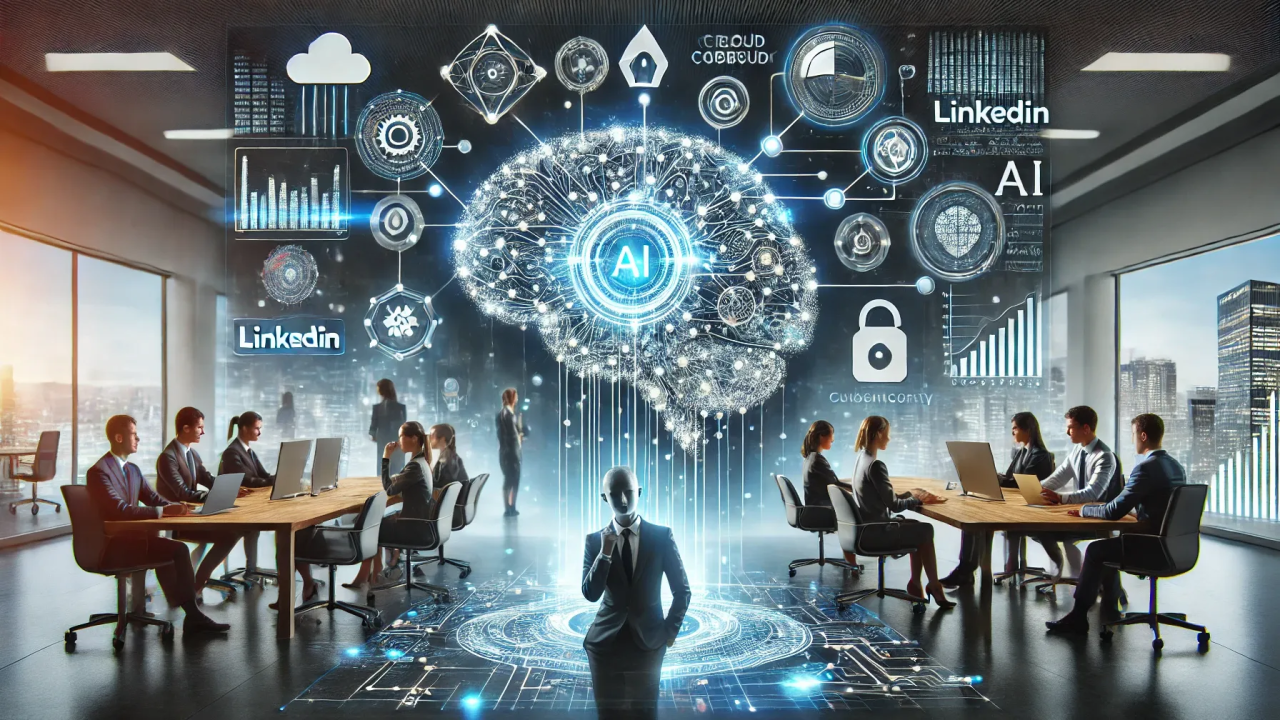
In 2026, Artificial Intelligence (AI) is no longer a futuristic concept—it’s the engine driving innovation across industries. For the Information Technology (IT) sector, AI-driven solutions are reshaping the way enterprises operate, innovate, and deliver value. From automating repetitive tasks to providing actionable insights, AI is becoming an indispensable tool for businesses aiming to stay competitive.
AI in IT Operations: Smarter, Faster, and Predictive
One of the most significant areas where AI is making an impact is IT operations (ITOps). AI-powered monitoring and predictive analytics allow IT teams to anticipate system failures, optimize performance, and reduce downtime. Unlike traditional reactive approaches, AI-driven ITOps identify patterns, detect anomalies, and even recommend or implement corrective actions automatically. This not only improves efficiency but also enhances the reliability of enterprise systems.
Enhancing Cybersecurity with AI
Cybersecurity remains a top concern for enterprises, and AI is stepping up to the challenge. Modern AI-driven security solutions can detect threats in real-time, analyze vast amounts of network data, and predict potential breaches before they happen. Machine learning algorithms can identify unusual user behaviors, phishing attempts, or malware activity with higher accuracy than traditional methods, providing enterprises with a proactive defense mechanism.
Revolutionizing Customer Experience
AI-driven IT solutions are also transforming customer interactions. Through intelligent chatbots, virtual assistants, and personalized recommendation engines, enterprises can deliver seamless, 24/7 customer experiences. The integration of natural language processing (NLP) and AI analytics enables businesses to understand customer intent, predict needs, and respond in real-time, fostering loyalty and satisfaction.
Automating IT Workflows
Automation powered by AI is helping IT departments move beyond mundane tasks. From ticket routing and system maintenance to code deployment and data management, AI enables IT teams to focus on strategic initiatives rather than repetitive work. This shift not only reduces operational costs but also accelerates innovation cycles, allowing enterprises to respond faster to market demands.
AI-Driven Decision Making
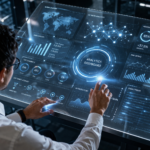
Enterprises are increasingly relying on AI to support decision-making processes. AI-driven analytics can process massive datasets and provide insights that guide business strategy, product development, and operational improvements. This predictive capability helps organizations make informed, data-backed decisions with unprecedented speed and precision.
Challenges and Considerations
Despite its benefits, integrating AI into IT solutions comes with challenges. Data privacy, ethical AI usage, and the need for skilled AI professionals are crucial considerations. Enterprises must adopt responsible AI practices and ensure that systems are transparent, secure, and aligned with organizational goals.
The rise of AI-driven IT solutions is redefining enterprise operations in 2026. By enabling predictive maintenance, strengthening cybersecurity, enhancing customer experiences, automating workflows, and supporting data-driven decision-making, AI is becoming the backbone of modern IT infrastructure. Enterprises that embrace AI not only gain a competitive edge but also position themselves for sustainable growth in an increasingly digital world.
The future of IT is intelligent, adaptive, and AI-powered—and the time to adopt it is now.