The Rise of AI-First Enterprises in 2026
Artificial Intelligence has moved from a promising experiment to a core component of enterprise strategy. In 2026, organizations are no longer simply using AI to augment existing processes—they are designing AI-first enterprises, where AI is the foundation of operations, decision-making, and customer engagement.
AI-first enterprises embed intelligence into every layer of the business, from product development to customer service to internal operations. This shift represents a profound transformation in how organizations operate, compete, and innovate.
What Defines an AI-First Enterprise?
An AI-first enterprise treats AI not as a feature, but as a strategic operating model. Characteristics include:
- Data-Centric Operations: Every process and decision leverages real-time data for actionable insights.
- Intelligent Automation: Routine tasks are automated, freeing human talent for high-value strategic work.
- Predictive Decision-Making: AI models anticipate market trends, operational bottlenecks, and customer needs.
- AI-Driven Culture: Teams are trained to collaborate with AI tools, making data-informed decisions the default.
Organizations that embrace AI-first thinking do not merely adopt technology—they rethink their business processes around AI capabilities.
The Drivers of AI-First Transformation
Several factors are accelerating the adoption of AI-first models:
1. Explosion of Data
Enterprises generate vast amounts of data daily, from CRM systems and IoT sensors to social media and transactional records. AI-first enterprises have the infrastructure to process this data in real time, extracting actionable insights faster than competitors.
2. Advances in AI Technology
Generative AI, large language models, computer vision, and reinforcement learning have matured to the point where they can handle complex, autonomous tasks. These tools allow AI to do more than assist—it can lead, optimize, and predict.
3. Demand for Personalization
Customers expect hyper-personalized experiences. AI-first organizations leverage predictive models to tailor products, communications, and services to individual preferences, driving engagement and loyalty.
4. Competitive Pressure
Businesses that fail to adopt AI risk falling behind. AI-first enterprises can respond faster to market shifts, optimize costs, and innovate products at unprecedented speed.
Key Areas Impacted by AI-First Thinking
Operations and Supply Chain
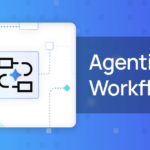
AI-first organizations use predictive analytics to optimize inventory, anticipate demand, and reduce operational inefficiencies. Autonomous systems and agentic workflows allow decisions to be made closer to real-time.
Customer Experience
AI-driven chatbots, recommendation engines, and predictive support models enable seamless and personalized customer journeys. AI-first organizations measure engagement continuously and adapt strategies based on insights.
Product Development
Generative AI is being used to prototype designs, simulate scenarios, and even develop software components autonomously. Products evolve faster, with higher quality, and more closely aligned to market needs.
Cybersecurity
AI-first enterprises leverage AI for proactive threat detection, identity-first security, and automated remediation. This improves resilience against increasingly sophisticated attacks.
Challenges in Becoming AI-First
Despite the promise, the transition to AI-first is not without challenges:
- Data Governance: Enterprises must ensure data quality, privacy, and regulatory compliance.
- Talent Gap: There is a high demand for professionals who can combine business acumen with AI expertise.
- Change Management: Embedding AI into decision-making requires cultural shifts and leadership buy-in.
- Bias and Ethics: AI systems must be monitored to avoid reinforcing bias or making unethical decisions.
AI-First and the Future of Work
AI-first enterprises are reshaping the workforce. Employees work alongside intelligent agents, focusing on creativity, strategy, and human judgment while AI handles repetitive, analytical, and data-heavy tasks. Organizations that embrace this shift benefit from higher efficiency, faster decision-making, and enhanced innovation.
Measuring Success in AI-First Enterprises
Key performance indicators include:
- Time-to-market improvements for products and services
- Increased operational efficiency and cost reduction
- Higher customer satisfaction and retention
- Enhanced employee productivity and engagement
- Reduction in manual errors and operational risk
By 2026, AI-first enterprises will dominate competitive landscapes. These organizations are not just early adopters of technology—they are rearchitecting business models, processes, and cultures around AI capabilities.
The future belongs to enterprises that treat AI as a strategic foundation rather than an add-on. For organizations ready to invest in intelligent systems, the payoff is clear: faster innovation, smarter operations, and a stronger connection with customers in an increasingly AI-driven world.